

It’s a Thursday evening in late October, the kind of New York night that poets and screenwriters try to bottle but never quite can. The air over SoHo has that crisp, electric chill that promises holidays are just around the corner. A tide of people spills from the Prince Street station, a familiar human current of after-work relief and evening ambition. The sound is back. Not the angry, jarring cacophony of a city on edge, but the layered, orchestral hum of a place that is vibrantly, unapologetically alive. It’s the clatter of forks on plates from a packed curbside dining shed, the distant wail of a saxophone from Washington Square Park, the murmur of a dozen languages weaving together, and the low-rumble percussion of the subway beneath your feet.
You stop for a moment, letting the crowd flow around you like a river around a stone, and you can’t help but smile. It’s a knowing, slightly weary, but deeply satisfied smile. Because you remember when this sound was gone.
Welcome back, New York. We’ve missed you. God, have we missed you.
The “Before Times”: A Frenetic, Flawed Paradise
Do you remember what it was like before? Before “unprecedented times” became the most precedented phrase in the English language? New York in 2019 was a beautiful, chaotic, glorious mess. It was a city running on a cocktail of ambition, anxiety, and overpriced coffee.
Life was a game of human Tetris. The morning commute was a masterclass in strategic body contortion on a packed L train, where personal space was a forgotten myth from a gentler civilization. You’d surface from the underground, gasping for air, only to join the sidewalk ballet of a million people all walking with the singular purpose of someone who is five minutes late for a meeting they don’t want to be in.
Midtown was the beating, over-caffeinated heart of this daily grind. Glass and steel towers scraped the sky, filled with people in sensible shoes staring at spreadsheets. Lunch was a Darwinian struggle for a twelve-dollar salad, eaten hunched over a keyboard while fielding emails. After work, happy hour was less about being happy and more about a collective, ritualistic sigh of relief over a craft beer that cost more than your lunch. We complained, of course and we complained about the tourists who stopped in the middle of the sidewalk to gaze up at a skyscraper as if it were the Sistine Chapel. We complained about the rent, the noise, the crowds, the slow walkers, the everything. It was our city’s love language. To live in New York was to have a perpetually updated list of grievances that you wouldn’t trade for anything.
The weekends were for brunch, an almost religious observance involving mimosas and a two-hour wait for eggs benedict. Evenings were for chasing impossible dinner reservations, shouting over the din in a restaurant the size of a walk-in closet, or catching a Broadway show where you paid a small fortune to sit behind a man with a truly magnificent head of hair. Empty spaces were an anomaly, a vacuum that the city’s relentless energy would rush to fill. A closed-down deli would be a boutique selling artisanal dog collars within a month. A vacant lot in Brooklyn would sprout a luxury condo faster than a weed.
The city was relentless, exhausting, and utterly intoxicating. It was a place that demanded everything from you and, on its best days, gave you everything back. We took its frantic, thumping pulse for granted. We assumed the music would never stop.
And then, in the spring of 2020, it did.
The Great Pause: A City Holds Its Breath
The silence was the first thing that got to you. It was a heavy, unnatural quiet that settled over the five boroughs like a shroud. The city that never sleeps was suddenly in a deep, troubled coma. The soundtrack of our lives—the symphony of sirens, honking cabs, and sidewalk chatter—was replaced by an eerie stillness, punctuated only by the mournful wail of an ambulance.
Avenues once choked with yellow cabs became vast, empty canyons. Times Square, the glowing, chaotic nexus of the world, was a ghost town, its giant screens broadcasting advertisements to no one. The office towers of Midtown stood like vacant sentinels, their lights out, their purpose lost. We clapped from our windows at 7 p.m. for the heroes in scrubs, a nightly ritual that was both a heartfelt thank you and a desperate cry for connection in a city suddenly defined by isolation.
The headlines were bleak. “Is New York City Over?” they asked, with a kind of morbid glee. Friends packed up their tiny, expensive apartments and fled to the suburbs of Connecticut or their parents’ basements in Ohio, chasing the siren song of a backyard and a spare bedroom. They wrote eulogies for the city on social media, declaring the end of an era. And for a while, it was hard to argue with them. Storefronts were boarded up, restaurants went dark, and the very thing that made New York New York—its density, its glorious, messy collision of humanity—had become its greatest vulnerability.
It was a period of profound loss. We lost neighbors, we lost jobs, we lost our favorite dive bars and local bookstores. But more than that, we lost our rhythm. The city’s heartbeat had flatlined, and those of us who stayed behind wandered the empty streets like ghosts in our own homes, wondering if it would ever come back.
The Awkward Thaw: Plywood, Parklets, and a New Kind of Hustle
The comeback wasn’t a sudden floodgate opening. It was a slow, awkward, and often strange thaw. It was New York in its gawky teenage years, trying to figure out its new identity.
The first signs of life were the outdoor dining sheds. Oh, the sheds! In what can only be described as a city-wide explosion of DIY carpentry, a “plywood renaissance” took over the streets. Suddenly, every parking spot was a potential Parisian cafe. Some were charming, flower-box-adorned structures; others looked like they were built from the remnants of a shipwreck. They were drafty in the winter and sweltering in the summer, but they were ours. They were a stubborn, scrappy testament to the city’s refusal to die. We huddled under heat lamps, sipping cocktails in our puffer jackets, just to feel a flicker of the old social energy.
The rhythm of work changed, too. The five-day-a-week commute became a relic. “Hybrid” was the word on everyone’s lips. Midtown became a ghost town on Mondays and Fridays. The question loomed: If people weren’t coming back to the office full-time, what would happen to the entire ecosystem built around them? The dry cleaners, the shoe-shine guys, the grab-and-go lunch spots—they all hung on by a thread. It felt like the city was holding its breath again, waiting for the other shoe to drop.
But something else was happening in the quiet corners. The astronomical commercial rents, for so long a barrier to entry, began to fall. The vacant storefronts, those sad monuments to the pandemic’s economic toll, started to look less like scars and more like opportunities. The city’s creative spirit, forced into hibernation, began to stir.
Artists, chefs, and entrepreneurs who had been priced out of the city for a generation saw a sliver of an opening. They saw a blank canvas. An empty shop in the East Village wasn’t a failure; it was a future gallery. A closed restaurant on the Lower East Side wasn’t a tragedy; it was a chance for a young chef to finally launch her own tasting menu concept. The city was recalibrating. The great pause had, ironically, hit the reset button.
And Now: The Roaring Twenty-Twenties (Take Two)
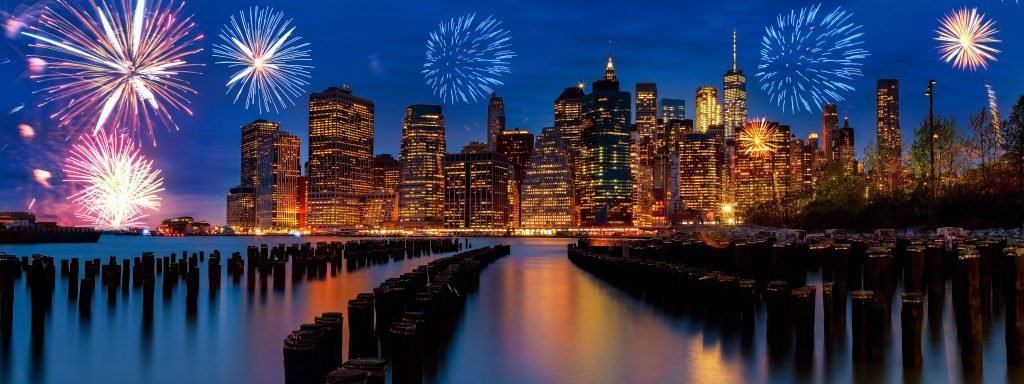
Flash forward to today, October 2025. The awkward teenager has grown up. The city isn’t just back; it’s different. It’s smarter, weirder, and in many ways, more human than it was before.
The workers have returned, but the great office migration of 2019 is a thing of the past. The hybrid model has won. Tuesday, Wednesday, and Thursday are the new heart of the work week in Midtown. The energy is concentrated, more purposeful. The morning commute on a Wednesday has all the old frenetic energy, but now it’s tinged with a sense of novelty. People seem genuinely happy to see their colleagues, to have a reason to put on real pants. The “sad desk salad” has been replaced by the celebratory team lunch. The office is no longer just a place to work; it’s a destination for collaboration, a social hub. And on Mondays and Fridays? The city’s center of gravity shifts. Neighborhoods in Brooklyn and Queens hum with a new weekday vibrancy as people work from local coffee shops, turning them into micro-offices and community centers.
And those once-empty office buildings? They’re being reimagined. A gleaming tower on Park Avenue that once housed a thousand accountants is now a vertical campus for a biotech firm, complete with state-of-the-art labs. Another downtown skyscraper is undergoing a massive conversion into luxury apartments, with amenities that would make a resort jealous. The city is adapting, proving that its most valuable real estate isn’t the buildings themselves, but the square footage of its imagination.
The restaurant scene is a perfect example of this rebirth. Yes, the old-guard institutions that survived are packed every night. Getting a reservation at Carbone is still a Herculean task. But the real story is in the explosion of new, independent places that have filled the gaps. The pandemic-era dining sheds have evolved. Many have become permanent, beautifully designed parklets that have fundamentally changed the streetscape, making the city more pedestrian-friendly and sociable.
But more importantly, the slightly more accessible rents have allowed for a glorious wave of culinary creativity. A young couple who started a wildly popular Instagram-based bakery out of their Queens apartment now has a brick-and-mortar spot in Greenwich Village with a line around the block. A chef who lost his job at a three-Michelin-star restaurant now runs a tiny, ten-seat counter in Bushwick serving the most inventive tacos you’ve ever tasted. The crisis broke the stranglehold of big-money restaurant groups and let the independents bloom. The city’s food scene is more diverse, more personal, and more exciting than ever.
The same story is playing out in retail. The pandemic accelerated the demise of the big, soulless chain stores, and in their place, a new generation of entrepreneurs is thriving. Those empty storefronts on Bleecker Street are no longer just vacant spaces. One is a meticulously curated vintage clothing store. Next to it is a shop dedicated entirely to rare Japanese stationery. Across the street, a community-focused bookstore that hosts readings and workshops has become a neighborhood anchor. People aren’t just shopping; they’re seeking experiences and connections. They’re investing in their neighbors.
There’s an irony in all of this that New York, in all its cynical glory, can appreciate. The very things we used to complain about have returned, but we see them with new eyes. A crowded subway car is no longer an assault on personal space; it’s a reassuring sign of a city in motion. The tourist fumbling with a map in Times Square is no longer an obstacle; they’re a welcome guest, a reminder that the world still wants to come here. The two-hour wait for brunch? It’s a chance to catch up with friends, to people-watch, to simply be a part of the city’s magnificent, chaotic pageant.
The pandemic didn’t kill New York. It stripped it down to its studs. It forced a city that was running on autopilot to stop and think about what it wanted to be. The pandemic cleared away some of the clutter, the excess, the things that had made it prohibitively expensive and creatively stagnant for so many. It reminded us that the true essence of New York isn’t the skyscrapers or the stock exchange; it’s the resilient, infuriating, brilliant, and endlessly creative people who choose to call this concrete island home.
Walking through the city now, you can feel it. It’s a hope that feels earned, a warmth forged in a shared crisis. The music is back on, but it’s not the exact same song as before. It’s a new arrangement, with different instruments and a more complex harmony. It’s the sound of a city that went to hell and came back, not just scarred, but stronger, smarter, and more in love with life than ever before.
Welcome back, New York. It’s good to have you home.
Time Out New York
Link: https://www.timeout.com/newyork
Eater NY
Link: https://ny.eater.com/
Untapped New York
Link: https://untappedcities.com/
New York Nico (Instagram)
Link: https://www.instagram.com/newyorknico/
The Gothamist
Link: https://gothamist.com/
Read Also:
