

China holds one of the oldest literary traditions on Earth. Yet, modern Chinese Writers often stay hidden behind language barriers and thin translations. That gap is closing fast. Translators, prizes, and curious readers now carry Chinese voices onto shelves worldwide.
A truly multicultural reading life needs these authors. They do far more than describe a single country. They wrestle with memory, power, family, and the dizzying speed of change. Their work speaks to anyone who cares about the human condition. You meet history through faces, not headlines.
Good translation makes this journey possible. A skilled translator can carry rhythm, humor, and grief across any border. Below are five writers who deserve a spot on your shelf. Each entry gives one book to start with, a reason to know them, and their gift to world literature.
Modern Chinese Writers. Mo Yan: The Storyteller of Rural China
Mo Yan won the Nobel Prize in Literature in 2012. He remains the first Chinese citizen to receive that honor. His pen name means “don’t speak,” a sly joke from a man who writes with wild energy.
Start with: Red Sorghum
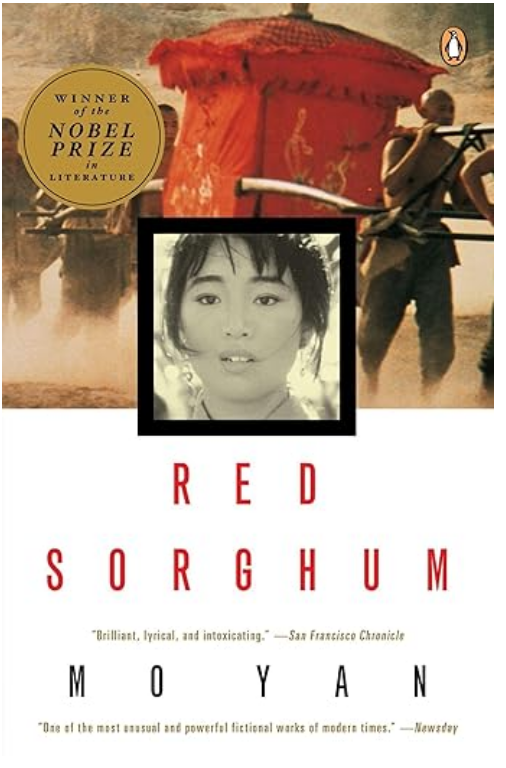
This novel follows three generations in a Shandong village during the Japanese invasion. Mo Yan blends folk legend, brutal history, and earthy humor. Critics describe his style as “hallucinatory realism,” a cousin to magical realism with deep local roots.
You should know him because he turns tiny villages into vast moral worlds. His characters love, fight, and survive with raw force. He never flinches from cruelty, yet he still finds tenderness inside it.
His contribution to world literature feels bold and lasting. He proved that rural Chinese life could carry epic weight on the global stage. He also showed that myth and history can share one page without apology. His sprawling stories reward patient, attentive reading. The payoff is a whole vanished world brought roaring back to life.
https://www.amazon.com/Red-Sorghum-Yan-Mo/dp/0099451670
https://www.barnesandnoble.com/authors/mo-yan
https://www.penguinrandomhouse.com/books/315347/red-sorghum-by-mo-yan
Modern Chinese Writers. Yu Hua: The Chronicler of Ordinary Lives
Yu Hua writes about ordinary people caught up in enormous events. He worked as a dentist before he turned to fiction. His prose stays plain, sharp, and often devastating.
Start with: To Live
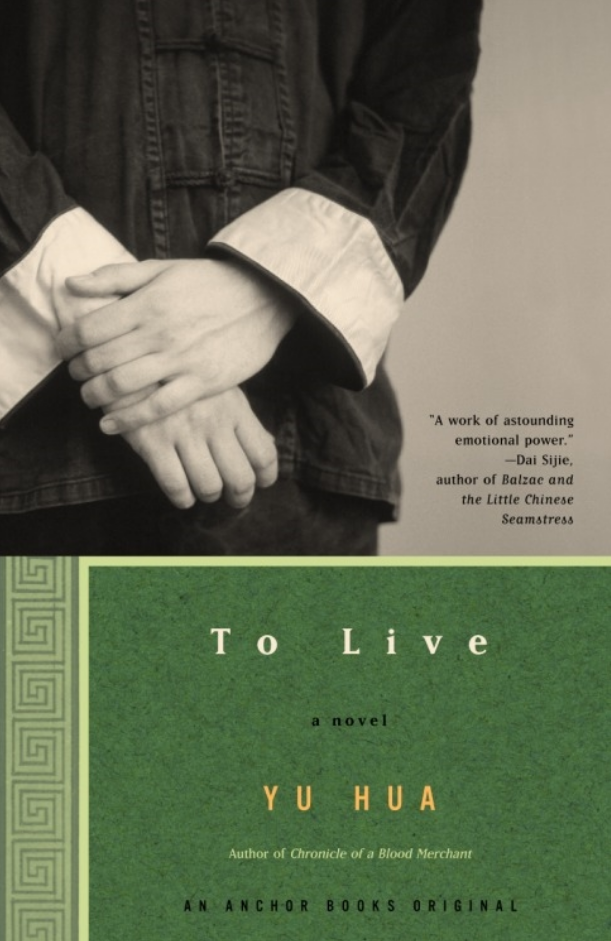
This short novel traces one man’s losses across decades of upheaval. The director Zhang Yimou later turned it into a famous film. The book stays oddly calm as tragedy piles up, and that restraint makes it hit harder.
You should know Yu Hua for his honesty about suffering and endurance. He never lectures. He simply shows how people keep moving when everything falls apart. His humor sneaks in too, even during the darkest stretches.
His gift to world literature is emotional clarity. He strips away decoration and leaves only what matters most. Readers in any country recognize his grieving fathers and stubborn survivors. Few writers say so much with so little. He trusts plain words to carry deep feeling, and that trust never fails.
https://www.barnesandnoble.com/w/bookhua/1147979303
https://www.penguin.com.au/books/to-live-9780307429797
Modern Chinese Writers. Liu Cixin: The Architect of Chinese Science Fiction
Liu Cixin reshaped how the world sees Chinese science fiction. He spent years working as an engineer at a power plant. His imagination, though, reaches clear across galaxies.
Start with: The Three-Body Problem
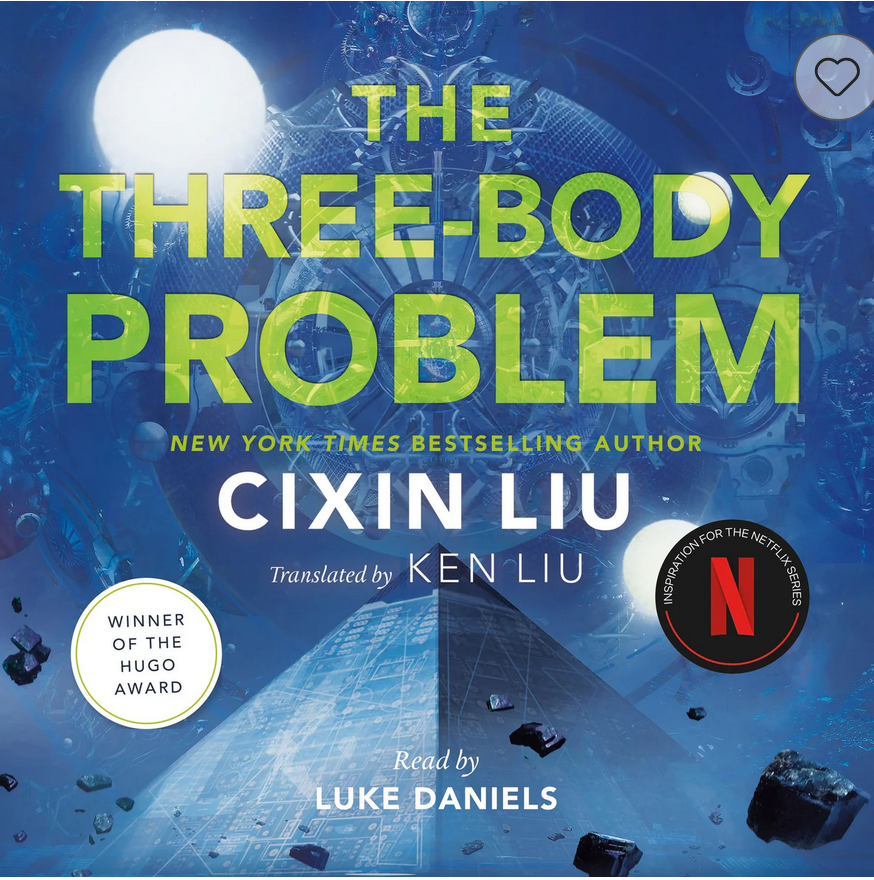
This novel won the Hugo Award in 2015, a first for a translated book. It opens during the Cultural Revolution and ends among distant stars. The story asks how a fragile humanity might face a cold, hostile universe.
You should know Liu Cixin because he thinks on a cosmic scale. His ideas feel vast, strange, and thrilling. Few writers stretch the mind quite this far. He treats physics, history, and morality as one tangled puzzle.
His contribution to world literature is sheer global reach. He pulled Chinese science fiction into the mainstream everywhere. Barack Obama praised his trilogy, and millions of readers now know his name. He opened a door that many younger authors now walk through. Screen adaptations later carried his cold cosmos to even wider crowds.
https://www.barnesandnoble.com/w/the-three-body-problem-cixin-liu/1119317099?ean=2940169138726
https://www.goodreads.com/book/show/20518872-the-three-body-problem
Modern Chinese Writers. Can Xue: The Avant-Garde Visionary
Can Xue writes strange, dreamlike fiction unlike anyone else alive. Critics often place her among Nobel favorites. She taught herself English and even translates her own literary influences.
Start with: Frontier
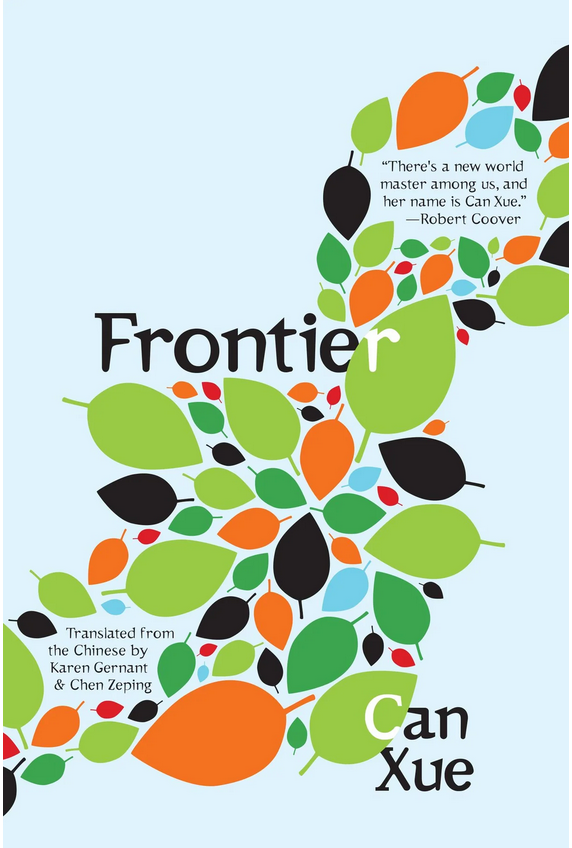
This novel unfolds in a mysterious city beside a snowy mountain. Logic bends, and reality keeps slipping away. Readers must surrender to its dream logic rather than chase a tidy plot. The reward is a wholly original experience.
You should know Can Xue because she pushes fiction to its outer edge. She refuses easy comfort and obvious meaning. Her stories repay patient, adventurous readers who enjoy a puzzle. She trusts your imagination to do real work.
Her contribution to world literature is pure experiment. She keeps expanding what a novel can even be. She stands beside Kafka and Borges as a fearless explorer of the inner mind, proving that Chinese fiction can be radically experimental, not merely realist. Her short stories make a fine entry point too. Each one rewards a slow, second read.
https://www.amazon.com/stores/author/B075WBLH3C
https://www.barnesandnoble.com/w/frontier-can-xue/1124284003
These four authors offer four different doors into one huge country. One paints muddy villages, while another maps the cold cosmos. One mourns the forgotten, and others bend reality itself. Together, they prove that Chinese literature is plural, brave, and fully alive. None of them sounds like the others.
Reading them builds genuine cultural understanding. You meet a complex society through human faces and private dramas. You also discover fresh styles that can change how you read everything else. A good translation can quietly rewire your taste. Each book also pushes back against lazy stereotypes about China.
These writers belong to one nation, yet their concerns feel universal. Grief, courage, wonder, and survival cross every border. That shared ground is the heart of multicultural reading. You read to meet strangers and find yourself in them.
So pick one title this month and dive in. Try To Live for tears, or The Three-Body Problem for awe. Read Red Sorghum for myth, and Frontier for wonder. Let these writers surprise you, unsettle you, and widen your world.
Yu & Me Book Store NYC https://yuandmebooks.com/
44 Mulberry St. New York, NY 10013
