


Subheadline: At Chelsea Piers, a multisensory art destination combines monumental digital landscapes, interactive installations, sound, and fragrance to explore the meeting point between technology, nature, and contemporary culture.
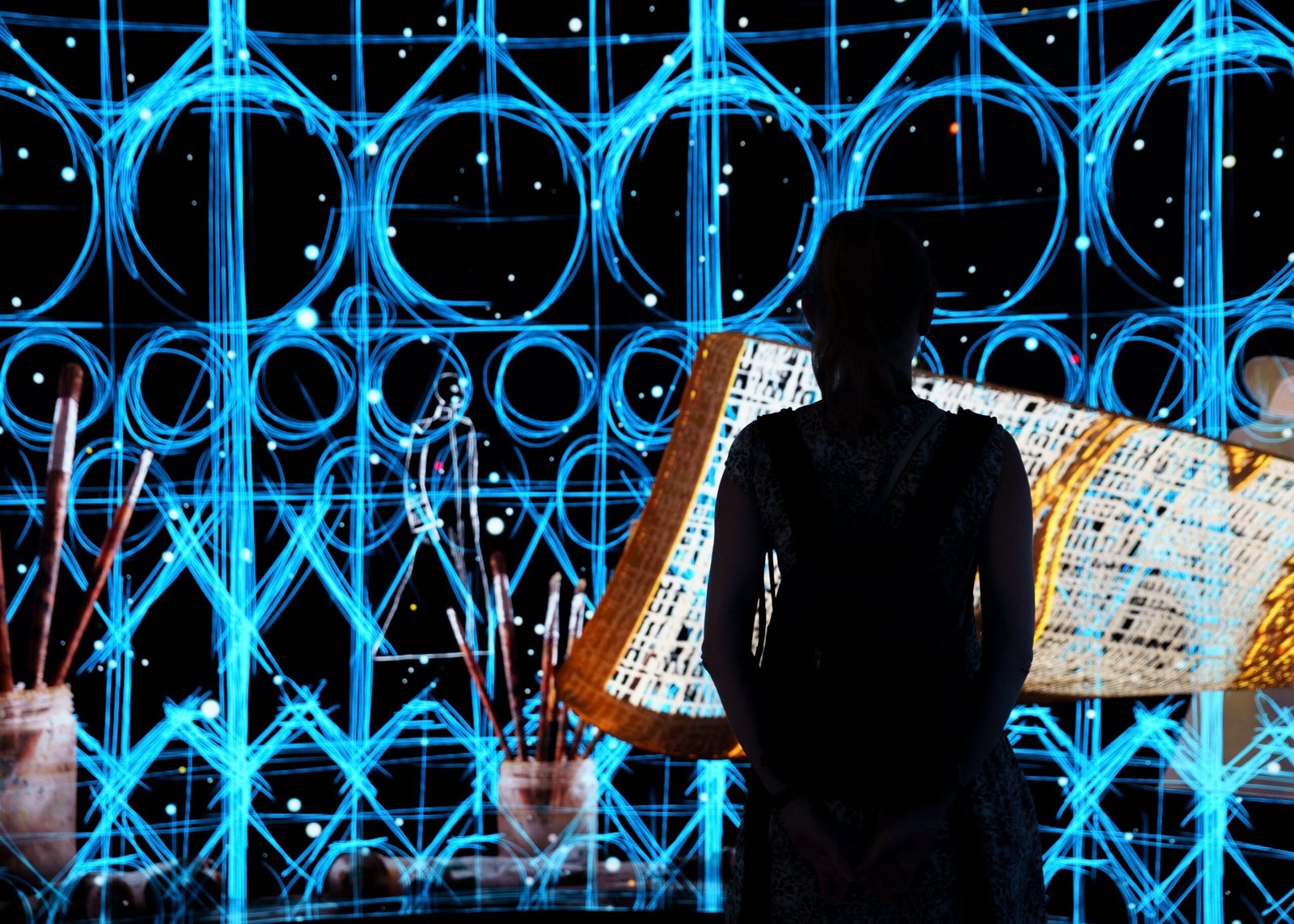
NEW YORK — A waterfall fills the room, waves appear to surge toward the viewer, and flowers unfold across enormous digital surfaces. At ARTE MUSEUM New York, the experience of looking at art extends beyond the image itself. Light, sound, fragrance, and responsive technology work together to create an environment visitors can move through rather than simply observe.
Located at Chelsea Piers along Manhattan’s Hudson River waterfront, ARTE MUSEUM New York presents Eternal Nature, an immersive media art experience developed by South Korean digital design company d’strict. Open year-round, the venue brings together a series of digitally created environments inspired by the beauty, movement, and power of the natural world. Its scale and multisensory approach place it within a growing field of cultural experiences that reconsider how audiences encounter art in the digital age.
Rather than organizing the visit around paintings hung on conventional gallery walls, the museum creates a sequence of environments in which images occupy architectural surfaces and visitors become part of the surrounding visual atmosphere.
Nature as a digital landscape
Nature provides the central theme of ARTE MUSEUM’s experience. Waterfalls, flowers, oceans, forests, and celestial imagery appear in large-scale digital compositions designed to surround visitors and change their sense of space.
In Waterfall Infinite, a cascading waterfall becomes an immersive visual environment. The installation transforms a familiar natural phenomenon into an expansive digital composition, inviting visitors to experience its scale through movement, perspective, and light.
The museum’s floral works take a different approach. Flower Roses and Little Wings explores a world in which flowers become protagonists in a changing realm, while Flower Hibiscus Seed follows the seed as a starting point for a journey toward blooming. Flower Rose Odyssey develops the rose into a recurring visual subject, using the flower’s forms and transformations as material for a digitally constructed experience.
These works are not simply nature documentaries presented on oversized screens. They reinterpret natural imagery through digital design, emphasizing color, scale, repetition, and transformation. Familiar subjects become environments that are difficult to encounter in the same way outside the museum.
Water is another recurring presence. Wave depicts an enormous, surging mass of water, while Beach Night Being explores the atmosphere of a beach after darkness falls. Elsewhere, Forest evokes a woodland setting through an immersive digital treatment of trees and mysterious natural forms.
Together, these installations establish nature as both subject and visual language. The visitor encounters recognizable elements of the environment, but their presentation is shaped by technology, animation, and spatial design.
When sound and fragrance become part of the artwork
ARTE MUSEUM’s defining feature is its effort to engage more than sight. The experience incorporates soundscapes and specially developed fragrances intended to complement the digital imagery.
The soundscape was created with music director and composer Young-gyu Jang, whose work incorporates the sounds and atmosphere of the natural world. Rather than functioning solely as background music, sound helps establish the emotional character of each environment. The combination of moving images and audio gives the installations a sense of physical presence, even when the landscapes themselves are digitally constructed.
Fragrance adds another dimension. The museum introduces scents designed to accompany the visual environments, creating associations between what visitors see, hear, and smell. A digital representation of nature can therefore become a more layered sensory encounter, encouraging visitors to connect images with memories and feelings associated with the physical world.
This approach reflects a broader development in immersive exhibition design. Digital technologies are increasingly being used not only to display imagery but also to shape the visitor’s movement, attention, and perception of a space.
At ARTE MUSEUM, the goal is to make the environment feel enveloping. Visitors move through a sequence of installations at their own pace, encountering different combinations of light, sound, and scent along the way.
Visitors become participants
Although many installations emphasize atmosphere and visual spectacle, ARTE MUSEUM also incorporates interactive elements. Live Sketchbook Guardians, for example, invites visitors to create drawings that are brought to life within a digitally animated environment.
The installation introduces a more direct relationship between audience and artwork. Instead of encountering a finished image created entirely by the artist or designer, visitors contribute something of their own to the experience. Their drawings become part of a larger digital scene, connecting individual creativity with the museum’s technological infrastructure.
This participatory model changes the traditional relationship between viewer and artwork. Visitors are not only observers; in selected installations, they also influence what appears on screen.
The museum’s ARTE CAFE extends this idea into a hospitality setting. The interactive café experience combines drinks with art projected onto tables, bringing digital imagery into a more intimate environment. It is offered as an optional addition to admission, creating a different pace from the larger immersive rooms.
These elements broaden the venue’s appeal beyond audiences who might ordinarily visit a conventional art museum. Families, technology enthusiasts, tourists, and visitors interested in photography can all find different ways to engage with the experience.
A New York identity within a global concept
While Eternal Nature draws on subjects found around the world, ARTE MUSEUM also includes an installation developed specifically around New York’s cultural identity.
Garden: New York Is Art explores the city through the themes of dream, variety, and love. The work reimagines aspects of New York’s character and history through large-scale immersive media art, giving the venue a point of connection with its location.
That local emphasis matters. Immersive digital exhibitions can sometimes feel interchangeable, particularly when they rely on familiar images of flowers, oceans, and cosmic landscapes. A work centered on New York offers a way to connect the broader visual language of the museum to the city outside its doors.
The venue’s position at Chelsea Piers also places it within a distinctive waterfront setting. Visitors can combine the exhibition with time along the Hudson River, while the experience itself offers an indoor environment far removed from the surrounding city streets.
ARTE MUSEUM’s international model is built around this combination of recognizable natural imagery and locally tailored content. Its New York location opened on September 1, 2025, following earlier presentations of the ARTE MUSEUM concept in other cities.
Digital reinterpretations of art history
The museum’s programming also extends beyond nature-inspired imagery. Its ARTE MUSEUM x Musée d’Orsay presentation reinterprets works from the Paris museum’s collection through digital media, bringing historical artworks into an immersive audiovisual setting.
The collaboration creates a different relationship between art history and technology. Instead of encountering a work only as an individual object within a gallery, visitors experience a digital interpretation in which imagery, scale, and movement become central to the presentation.
Such reinterpretations raise interesting questions about how established works of art can be experienced by contemporary audiences. Digital presentations may create new entry points for viewers who are unfamiliar with particular artists or periods, while also changing the conditions under which familiar images are seen.
The approach does not replace the experience of encountering original paintings in a museum collection. Instead, it offers another way to engage with their visual language, emphasizing atmosphere and immersive presentation.
Planning a visit
ARTE MUSEUM New York is located at 61 Chelsea Piers, New York, NY 10011. The venue is open daily from 10 a.m. to 9 p.m., with last entry at 7:30 p.m. The museum recommends allowing approximately 60–90 minutes for the experience.
General admission prices listed by the venue begin at $45 Monday through Thursday, rising to $55 on Fridays and Sundays and $60 on Saturdays and public holidays, before tax. Optional admission packages include the ARTE CAFE experience. Visitors should check the official website for current ticket details and any special programming.
For New York’s cultural landscape, ARTE MUSEUM represents a form of exhibition-making in which technology shapes not just how art is displayed, but how it is encountered. Its combination of digital environments, sound, scent, and interaction creates an experience distinct from a traditional gallery visit.
At its center is a simple proposition: art can be a space that surrounds the viewer. Through its shifting landscapes and immersive imagery, ARTE MUSEUM invites visitors to reconsider the natural world, explore digital creativity, and experience the possibilities of contemporary media art.
