


In a world where change is the only constant, the job market is undergoing a seismic shift. Imagine waking up one day to find that your entire profession has vanished, replaced by algorithms and robots. It’s not science fiction—it’s the reality we’re hurtling towards. Let’s embark on a journey through the landscape of soon-to-be obsolete careers and explore the 100 jobs that may not survive the next decade.
The Winds of Change: What’s Driving Job Obsolescence?
Before we dive into our list, it’s crucial to understand the forces reshaping our workforce:
- Artificial Intelligence (AI): The rise of intelligent machines capable of learning and decision-making.
- Automation: The implementation of systems that can perform tasks without human intervention.
- Changing Consumer Behaviors: Shifts in how people shop, communicate, and consume information.
- Environmental Concerns: The push for sustainability and eco-friendly practices.
- Global Connectivity: The ability to access services and talent from anywhere in the world.
Now, let’s explore the jobs that are on the chopping block, grouped by industry and type of work.
Retail and Customer Service
- Cashiers: Self-checkout kiosks and mobile payment systems are making human cashiers obsolete.
- Bank Tellers: Online banking and ATMs are reducing the need for in-person transactions.
- Travel Agents: Online booking platforms have revolutionized trip planning.
- Ticket Agents: Digital ticketing systems are eliminating the need for human intermediaries.
- Video Store Clerks: Streaming services have already made this job a relic of the past.
The human touch in retail is fading, but opportunities in customer experience design and digital retail management are on the rise.
Manufacturing and Production
- Assembly Line Workers: Robotic systems are taking over repetitive tasks in factories.
- Textile Workers: Automated looms and 3D-printed clothing threaten traditional textile jobs.
- Welders: Robotic welding arms are becoming more precise and efficient.
- Machine Operators: AI-driven machines require less human oversight.
- Quality Control Inspectors: Computer vision systems can detect defects with greater accuracy.
While traditional manufacturing jobs decline, roles in robotics maintenance and industrial IoT are emerging.
Transportation and Logistics
- Truck Drivers: Autonomous vehicles are set to revolutionize long-haul transportation.
- Taxi Drivers: Self-driving cars will make human drivers unnecessary.
- Parking Attendants: Automated parking systems will manage vehicle storage.
- Traffic Police: Smart traffic management systems will regulate flow without human intervention.
- Postal Workers: Drones and automated sorting systems will handle mail delivery.
The future of transportation lies in logistics AI and autonomous vehicle fleet management.
Agriculture
- Farm Laborers: Automated harvesting machines are becoming more sophisticated.
- Pesticide Sprayers: Precision agriculture drones can apply treatments more efficiently.
- Fruit Pickers: Robotic arms with computer vision can harvest delicate produce.
- Livestock Farmers: Automated feeding and monitoring systems reduce human labor needs.
- Grain Inspectors: AI can analyze crop quality faster and more accurately than humans.
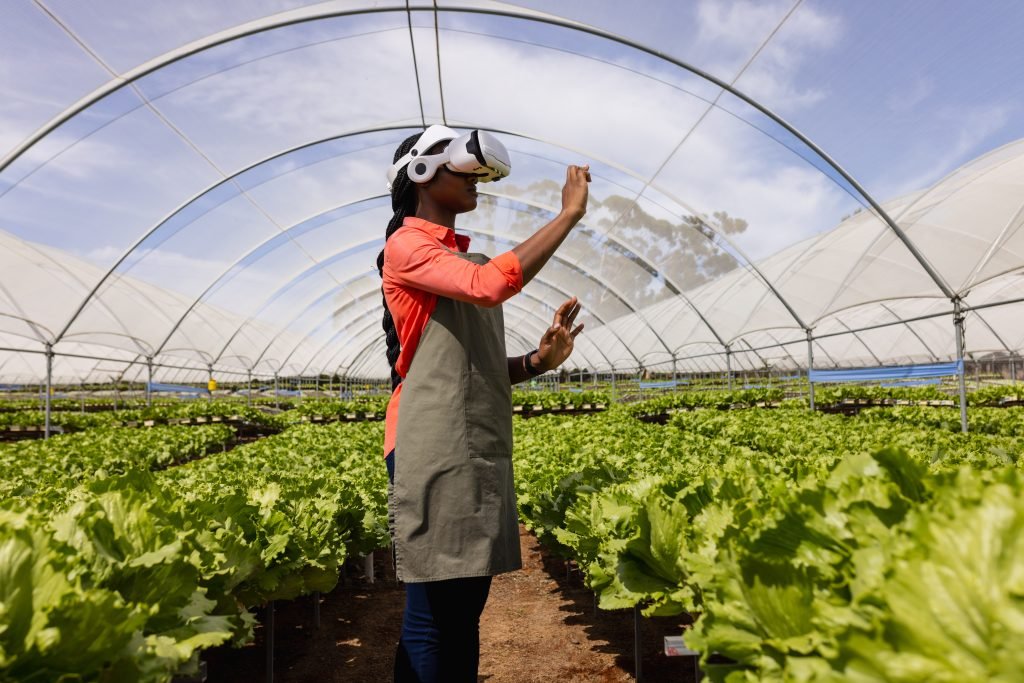
While traditional farming jobs decrease, opportunities in agri-tech and sustainable farming practices are growing.
Office and Administrative Support
- Data Entry Clerks: AI-powered OCR and automated data processing systems are taking over.
- Receptionists: Virtual assistants and chatbots are handling front-desk duties.
- File Clerks: Digital document management systems make physical filing obsolete.
- Typists: Voice-to-text technology and AI writing assistants are eliminating this role.
- Bookkeepers: Automated accounting software is streamlining financial record-keeping.
The future of office work lies in data analysis, process optimization, and human-AI collaboration.
Media and Entertainment
- Video Store Owners: Streaming services have made physical movie rentals obsolete.
- Newspaper Delivery People: Digital news consumption is eliminating the need for paper delivery.
- Film Projectionists: Digital projection systems require minimal human intervention.
- Photo Developers: Digital photography has all but eliminated traditional film development.
- Video Editors: AI-powered editing tools are simplifying the post-production process.
While traditional media jobs decline, opportunities in digital content creation and virtual reality are booming.
Food Service
- Fast Food Cooks: Automated cooking systems are being developed for fast food chains.
- Bartenders: Robotic bartenders can mix drinks with precision.
- Baristas: Coffee-making robots are becoming more common in cafes.
- Waiters/Waitresses: Tablet ordering systems and robot servers are changing restaurant dynamics.
- Dishwashers: High-efficiency automated dishwashing systems are replacing human workers.
The hospitality industry is shifting towards experience design and culinary innovation roles.
Retail Manufacturing
- Shoe Repairers: 3D-printed shoes and disposable fashion are reducing demand for repairs.
- Watch Repairers: Smart watches with modular designs are easier to replace than repair.
- Tailors: Custom clothing algorithms and 3D body scanning are revolutionizing garment fitting.
- Jewelers: 3D-printed jewelry and AI design tools are changing the industry.
- Furniture Makers: Automated furniture manufacturing and modular designs are reducing craftsman roles.
The future of retail manufacturing lies in customization technology and sustainable material innovation.
Education
- Textbook Publishers: Digital learning platforms are making traditional textbooks obsolete.
- Library Assistants: Self-checkout systems and digital catalogs are automating library processes.
- Test Scorers: AI can grade standardized tests more efficiently than humans.
- Language Translators: Neural machine translation is becoming increasingly accurate.
- Tutors: AI-powered adaptive learning systems can provide personalized education at scale.
While some traditional education roles fade, opportunities in EdTech and personalized learning design are expanding.
Finance and Banking
- Stock Traders: Algorithmic trading is dominating financial markets.
- Insurance Underwriters: AI can assess risk and process claims more efficiently.
- Bank Loan Officers: Automated credit scoring systems are streamlining loan approvals.
- Financial Analysts: AI-powered analytics tools can process vast amounts of data quickly.
- Accountants: Automated accounting software is handling complex financial tasks.
The finance industry is shifting towards roles in fintech development and AI-driven financial planning.
Healthcare
- Medical Transcriptionists: Voice recognition software is automating medical record-keeping.
- Pharmacy Technicians: Automated dispensing systems are handling medication distribution.
- Diagnostic Technicians: AI-powered diagnostic tools are becoming more accurate than humans.
- Surgical Assistants: Robotic surgical systems are becoming more autonomous.
- Radiologists: AI can analyze medical images with high accuracy.
While some traditional healthcare roles evolve, opportunities in health informatics and AI-assisted healthcare are growing.
Legal Services
- Paralegals: AI-powered legal research tools are automating document review.
- Court Reporters: Voice recognition technology can transcribe proceedings accurately.
- Legal Secretaries: Automated scheduling and document management systems are taking over.
- Title Examiners: Blockchain technology could automate property record-keeping.
- Notaries: Digital signature technology is making traditional notarization obsolete.
The legal industry is moving towards roles in legal tech development and AI ethics.
Automotive Industry
- Car Assembly Workers: Robotic assembly lines are becoming more sophisticated.
- Auto Mechanics: Electric vehicles require less maintenance, and diagnostic systems are becoming automated.
- Car Salespeople: Online car buying platforms are changing the sales process.
- Parking Lot Attendants: Automated parking systems will manage vehicle storage.
- Gas Station Attendants: The rise of electric vehicles will reduce the need for fuel pumping.
The automotive industry is shifting towards roles in electric vehicle technology and autonomous driving systems.
Telecommunications
- Telephone Operators: Automated voice response systems have largely replaced human operators.
- Switchboard Technicians: Digital switching systems require minimal human intervention.
- Telegraph Operators: This profession has already been made obsolete by modern communication tech.
- Cable TV Installers: Streaming services are reducing the demand for cable installation.
- Antenna Installers: Satellite and internet-based services are making traditional antennas obsolete.
The future of telecommunications lies in 5G network development and IoT device management.
Print Media
- Typesetters: Digital publishing tools have automated the typesetting process.
- Printing Press Operators: On-demand digital printing is reducing the need for traditional presses.
- Newspaper Reporters: Citizen journalism and AI-generated content are changing news reporting.
- Magazine Editors: Digital publications are streamlining the editorial process.
- Classified Ad Takers: Online classifieds have made this job virtually extinct.
While traditional print jobs decline, opportunities in digital content strategy and data journalism are growing.
Travel and Hospitality
- Hotel Concierges: Mobile apps and AI assistants are providing personalized travel recommendations.
- Flight Attendants: Automated in-flight systems could reduce the need for human crew.
- Tour Guides: Augmented reality apps can provide immersive, self-guided experiences.
- Travel Booking Agents: Online platforms have made self-booking the norm.
- Cruise Ship Workers: Automated systems could handle many onboard services.
The travel industry is moving towards experience design and virtual tourism roles.
Real Estate
- Real Estate Appraisers: AI algorithms can analyze property values more efficiently.
- Property Managers: Smart building systems are automating many management tasks.
- Real Estate Agents: Virtual tours and AI-powered matching systems are changing home buying.
- Mortgage Brokers: Online mortgage comparison tools are simplifying the loan process.
- Home Inspectors: Drones and Iot sensors could automate much of the inspection process.
The future of real estate involves roles in proptech development and sustainable urban planning.
Personal Services
- Personal Shoppers: AI-powered recommendation engines are personalizing shopping experiences.
- Dating Matchmakers: AI algorithms on dating apps are becoming increasingly sophisticated.
- Personal Trainers: AI-powered fitness apps can create and monitor workout plans.
- Career Counselors: AI systems can analyze job markets and suggest career paths.
- Life Coaches: AI chatbots are being developed to provide motivational support.
While some personal service jobs fade, opportunities in AI-assisted personal development are emerging.
Miscellaneous
- Toll Booth Operators: Electronic toll collection systems are eliminating this role.
- Elevator Operators: Modern elevators are fully automated.
- Lighthouse Keepers: GPS and automated lighting systems have made this romantic job obsolete.
- Lamplighters: Street lighting is now automated and often solar-powered.
- Knocker-Uppers: This wake-up service has been replaced by alarm clocks and smartphone apps.
- Ice Cutters: Refrigeration technology has eliminated the need for natural ice harvesting.
- Switchboard Operators: Automated phone systems have replaced human operators.
- Bowling Alley Pinsetters: Automated pinsetters have been standard for decades.
- Human Computers: Electronic computers have long since surpassed human calculation abilities.
- Town Criers: Mass media and digital communication have made this medieval job obsolete.
Embracing the Future of Work
As we’ve journeyed through this list of endangered professions, it’s clear that the workforce of tomorrow will look radically different from today’s. But this transformation isn’t just about job losses—it’s about evolution and opportunity.
For every job that fades away, new roles emerge. The key to thriving in this new landscape is adaptability and a commitment to lifelong learning. As AI and automation take over routine tasks, uniquely human skills like creativity, emotional intelligence, and complex problem-solving become more valuable than ever.
The future belongs to those who can work alongside machines, leveraging technology to enhance their capabilities rather than compete against it. It’s a future where we’re freed from mundane tasks to focus on innovation, human connection, and tackling the grand challenges of our time.
So, as we stand on the brink of this new era, let’s not fear the changes ahead. Instead, let’s embrace them, adapt, and help shape a future of work that’s more fulfilling, sustainable, and uniquely human than ever before.
Are you ready to evolve with the changing tides of the job market? The future is calling—how will you answer?
Read also:
Benefits of AI and Art Creation – Your 7 Essential AI Art Tips
7 Effective AI Art Tips From New York Artists You Need To Know
11 Essential Features Of How AI Transforms The Big Apple Art Scene
