

Nearly forty works, including sculptures rarely seen beyond Tuscany, bring renewed attention to Siena’s bronze-making traditions and the technical ambition of Renaissance artists.
Siena is often remembered for the brilliance of its medieval painting: its devotional panels, luminous colors, and distinctive visual language. But between 1450 and 1500, the Tuscan city was also a center of extraordinary innovation in bronze. This fall, The Frick Collection turns the spotlight toward that less familiar history with Siena: The Art of Bronze, 1450–1500, an exhibition bringing together nearly forty works that reveal the medium’s range and the artists who shaped it.
Opening October 15, 2026, the exhibition is the first dedicated to Siena as a center of artistic excellence and technical innovation in Renaissance bronze sculpture. It includes statues, reliefs, candelabra, medals, and other objects by influential sculptors such as Donatello, Vecchietta, and Francesco di Giorgio. Many of the works have rarely traveled beyond Tuscany, making their presentation in New York a significant opportunity to encounter them together.
Looking beyond Siena’s reputation for painting
Siena’s place in Renaissance art history has often been framed through its painting traditions. The Frick’s exhibition proposes a broader view, examining how bronze became a defining medium for the city’s artistic culture during the second half of the fifteenth century.
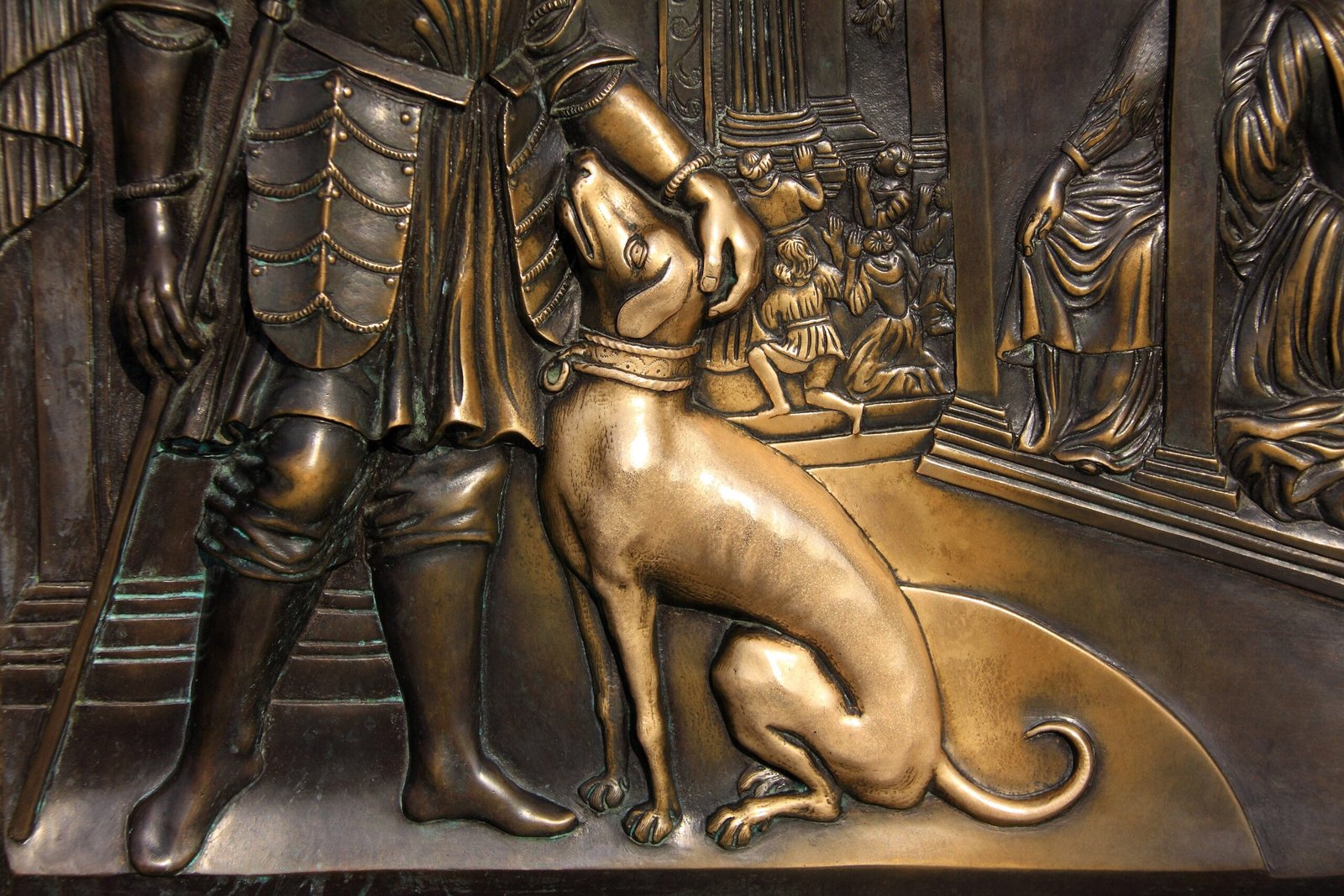
The show follows the medium across different scales and purposes. Small medals invite close inspection of detail and finish; reliefs use depth and surface to tell stories; candelabra combine function with elaborate design; and ambitious statues demonstrate the technical demands of working in metal at a larger scale.
Together, the objects suggest that Sienese bronze was not a single style or category. It was a field of experimentation in which artists negotiated questions of form, function, patronage, and the possibilities of a difficult material. The exhibition also explores the technical and political challenges faced by local bronzeworkers, placing artistic achievement within the conditions that made it possible.
A material shaped by skill and risk
Bronze offered Renaissance artists particular opportunities—and considerable challenges. Casting required specialized knowledge, planning, and workshop coordination. The process could involve multiple stages, from preparing a model and mold to casting, finishing, and refining the surface. The material’s durability made it suitable for objects intended to endure, while its capacity for fine detail allowed artists to explore complex forms.
The Frick’s presentation brings these technical considerations into view without separating them from the objects’ visual impact. A small medal and a large sculptural figure may differ in scale and purpose, but both depend on the artist’s ability to control material, surface, and detail.
The exhibition is organized by Giulio Dalvit, Associate Curator at The Frick Collection. Its accompanying scholarly catalogue expands the project with essays on different categories of Sienese bronze, entries on individual works, new photography, archival discoveries, and scientific analysis.
Masterworks crossing the Atlantic
The exhibition draws loans from major Italian and international collections, including the Museo Nazionale del Bargello in Florence, the Museo Nazionale di Capodimonte in Naples, the Galleria Nazionale dell’Umbria in Perugia, the Museo Diocesano Albani in Urbino, and the Museo Civico in Siena. Other lenders include the National Gallery of Art in Washington, the British Museum, and the Victoria and Albert Museum in London, alongside collections in Berlin, Dresden, and Vienna.
One particularly notable loan is a medal of Antonio di Ambrogio Spannocchi, created by Francesco di Giorgio Martini around 1494 and held by Siena’s Museo Civico. The City of Siena approved its loan to the Frick for the exhibition, bringing the Renaissance work to New York for the presentation.
Such loans give the exhibition an unusual breadth. Rather than concentrating on a single artist or object type, it assembles works that help map a city’s creative production across a formative half-century.
The politics and memory of a city
The exhibition also places Siena’s artistic history in a wider historical frame. A major pilgrimage stop on the Via Francigena, the route connecting Rome with France and England, Siena occupied an important position in the movement of people, ideas, and devotional culture. Its artistic life developed within that network of religious and civic significance.
Siena’s later defeat by Florence in the 1550s contributed to a historical narrative in which the city was often cast as a remnant of the medieval past. The Frick’s exhibition revisits that framing by foregrounding the sophistication and ambition of Sienese bronze production in the Renaissance.
This is not simply a matter of adding another chapter to an established story. It is an opportunity to reconsider how artistic reputations are formed—and how entire traditions can remain less visible when a city’s history is told through only one medium.
Art, music, and the sounds of Renaissance Siena
The Frick is extending the exhibition’s historical context through music programming inspired by fifteenth-century Siena. Concerts in November will explore surviving fragments of Sienese polyphony and music connected to the city’s ceremonial and devotional life. The program includes performances by early-music specialists and the Antwerp-based ensemble Graindelavoix.
The connection is especially resonant: bronze sculpture survives as physical matter, while music reaches the present through manuscripts, fragments, reconstruction, and performance. Bringing the two into conversation offers visitors another way to imagine the cultural environment in which Sienese artists worked.
A new perspective on Renaissance bronze
With Siena: The Art of Bronze, 1450–1500, The Frick invites audiences to look closely at a medium that is at once technical, expressive, and deeply connected to the civic identity of Renaissance Siena. The exhibition’s importance lies not only in the rarity of many of its loans, but in the larger story they make visible: a city whose artistic achievements extended well beyond the paintings for which it is best known.
For New York visitors, the exhibition offers a concentrated encounter with Renaissance sculpture and an opportunity to reconsider the history of a material that helped shape it.
Exhibition details
Siena: The Art of Bronze, 1450–1500
The Frick Collection
October 15, 2026–January 18, 2027
1 East 70th Street, New York, NY
Organized by Giulio Dalvit, Associate Curator, The Frick Collection.
