


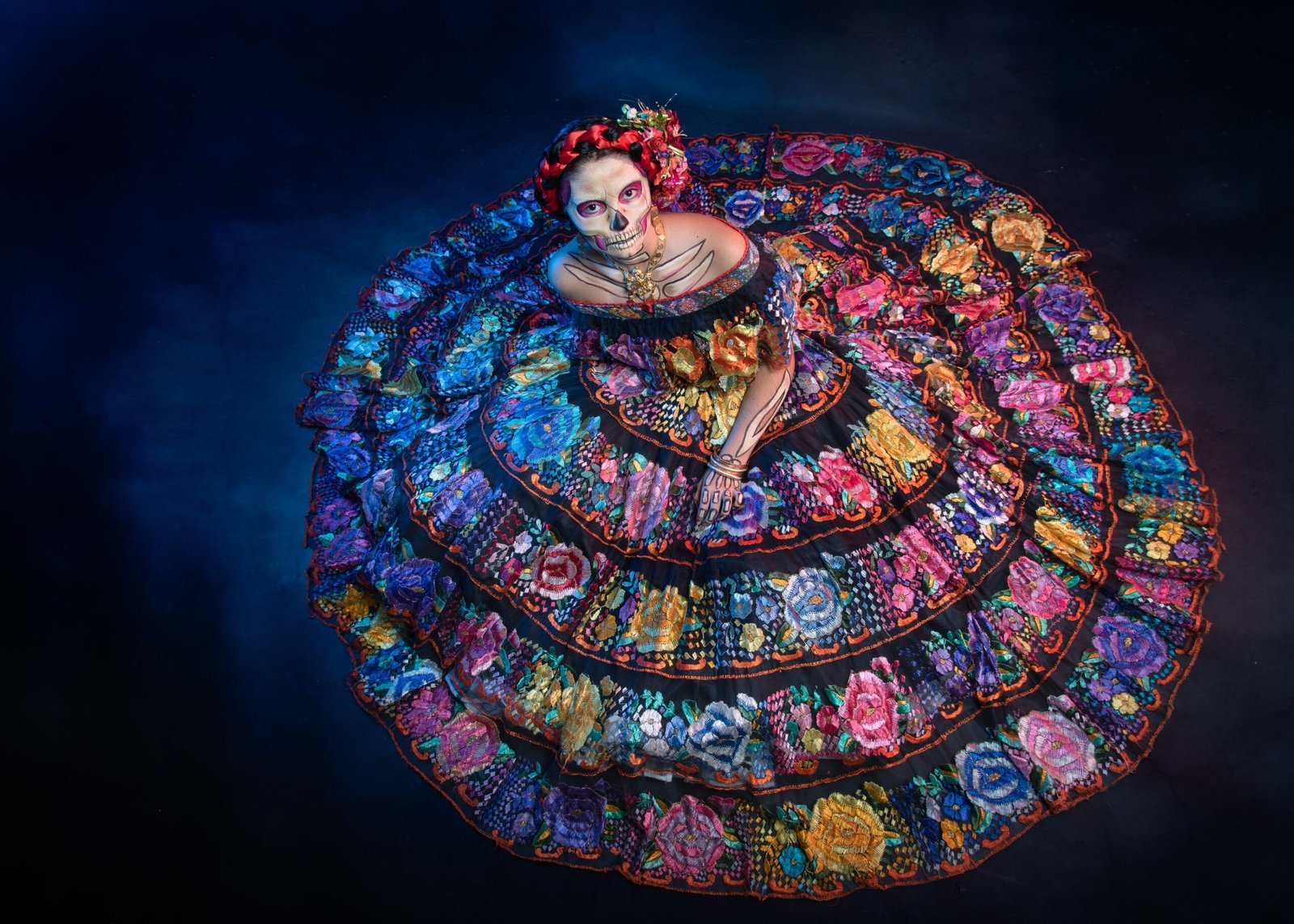
Few artistic relationships have captured the public imagination as powerfully as that of Frida Kahlo and Diego Rivera. Their marriage, separations, political commitments, and radically different approaches to painting have become inseparable from the stories told about their work. Yet beneath the familiar mythology lies a more complex artistic conversation: two distinct creative visions shaped by a shared cultural moment, personal conflict, and an enduring connection to Mexico.
At the Museum of Modern Art in New York, Frida and Diego: The Last Dream offered a new way to consider that relationship. Presented from March 21 through September 12, 2026, the exhibition brought paintings, a drawing, and photographic portraits from MoMA’s collection into an installation inspired by the Metropolitan Opera’s production of El Último Sueño de Frida y Diego. The collaboration placed visual art in conversation with theatrical design, music, and a story shaped by memory and the afterlife. <Cite refs={[“turn470862search0″,”turn470862search1”]}/>
Rather than treating Kahlo and Rivera simply as celebrated names from art history, the exhibition invited visitors to reconsider how their individual practices intersected—and why their creative legacies continue to resonate across generations.
Two Artists, Two Visions of Mexico
Frida Kahlo (1907–1954) and Diego Rivera (1886–1957) occupied different positions within the development of modern Mexican art.
Rivera became internationally recognized for monumental murals that addressed labor, history, revolution, and collective identity. His large-scale compositions frequently placed working people and political struggle at the center of public life. His art was inseparable from the post-revolutionary cultural movement that sought to redefine Mexico through its Indigenous heritage, social history, and national identity.
Kahlo approached many of these questions from a more intimate perspective. Her paintings frequently turned toward her own body, relationships, family history, and experiences of physical suffering. Her self-portraits became spaces for examining identity rather than presenting a fixed or uncomplicated image of the self.
MoMA’s collection includes important examples of both approaches. Kahlo’s Self-Portrait with Cropped Hair (1940) challenges conventional expectations of femininity and appearance, while My Grandparents, My Parents, and I (1936) explores family history and ancestry through a carefully constructed visual narrative. Rivera’s Agrarian Leader Zapata (1931) and Flower Festival: Feast of Santa Anita (1931) demonstrate his engagement with Mexican social life, historical memory, and cultural traditions. <Cite refs={[“turn470862search0″,”turn470862search6”]}/>
Seen together, these works reveal more than a shared biography. They demonstrate how two artists could respond to overlapping cultural and political concerns through fundamentally different artistic languages.
The Gallery Becomes a Theatrical Space
A defining feature of The Last Dream was its installation design by Jon Bausor, the set and co-costume designer for the Metropolitan Opera production. Instead of presenting the artworks in an entirely conventional gallery arrangement, Bausor created an environment that drew on the opera’s theatrical world and the imagery of Kahlo and Rivera themselves. <Cite refs={[“turn470862search0″,”turn470862search8”]}/>
The installation incorporated a dramatic visual language associated with the opera’s exploration of death, memory, and reunion. Its setting encouraged visitors to experience the paintings within an atmosphere rather than encounter each work as an isolated object.
This approach raised an important question about how audiences view familiar artworks. Museum displays often rely on neutral walls and clear sightlines to encourage close attention to individual pieces. A theatrical environment works differently: it establishes mood, guides movement, and creates relationships between the artwork and the surrounding space.
Neither approach is inherently superior. In this case, the installation offered a way to reconsider paintings that have become deeply familiar through reproductions, publications, and popular culture.
By introducing elements of scenography, MoMA encouraged viewers to experience Kahlo and Rivera not only as historical figures but as artists whose work can continue to generate new interpretations.
Kahlo’s Self-Portraits and the Politics of Identity
Kahlo’s art remains compelling partly because it resists simple categorization. Her self-portraits are intensely personal, yet they also engage questions of gender, cultural belonging, physical vulnerability, and the construction of identity.
Self-Portrait with Cropped Hair is especially significant in this respect. Painted in 1940, the work presents Kahlo with short hair and clothing associated with masculine dress, challenging the visual conventions through which femininity was commonly represented. The painting makes appearance a subject of artistic control: identity is presented not as something merely inherited or imposed, but as something that can be questioned and reconfigured.
Her work also reflects a distinctive relationship with Mexican visual traditions. Kahlo drew on popular art, Indigenous cultural references, religious imagery, and personal symbolism, combining these elements with a modernist approach that was unmistakably her own. MoMA’s account of her practice emphasizes the contrast between her intimate, autobiographical paintings and the monumental public works associated with Mexican muralism. <Cite refs={[“turn470862search6″,”turn470862search8”]}/>
In the context of The Last Dream, this intimacy became particularly resonant. The exhibition’s theatrical framework encouraged viewers to consider how the personal and the symbolic can coexist: a portrait can document an individual experience while opening onto broader questions about identity, suffering, and independence.
Rivera and the Public Language of Art
Rivera’s paintings approached identity from a different direction. His murals and other large-scale works helped establish a visual language through which Mexican history, labor, and social struggle could be represented to broad audiences.
His art was connected to the political aspirations that followed the Mexican Revolution of 1910–1920. During this period, artists and cultural institutions played an important role in reshaping how the nation understood its history and represented its people. Rivera’s monumental compositions brought historical figures, workers, and everyday activities into a public visual sphere.
The works presented at MoMA offered a concentrated view of that approach. Agrarian Leader Zapata reflects Rivera’s engagement with revolutionary history, while Flower Festival: Feast of Santa Anita draws on Mexican cultural traditions and collective celebration. <Cite refs={[“turn470862search0″,”turn470862search8”]}/>
Placed alongside Kahlo’s paintings, Rivera’s works highlighted a productive contrast. Where Kahlo often made the individual body and personal experience the center of her imagery, Rivera frequently sought to represent people within larger social and historical structures.
The exhibition did not need to resolve these differences. Their coexistence was part of its appeal, showing how two artists connected by a shared life could nevertheless construct distinct visions of the world.
The Opera Connection: Love Beyond Death
The exhibition was developed in conjunction with the Metropolitan Opera’s El Último Sueño de Frida y Diego, composed by Gabriela Lena Frank with a libretto by Nilo Cruz. The opera imagines a supernatural reunion between the artists on the Day of the Dead, three years after Kahlo’s death, as an aging Rivera summons her back from the underworld. <Cite refs={[“turn470862search1″,”turn470862news7”]}/>
The premise draws on a cultural tradition in which remembrance of the dead can become an occasion for renewed connection. Rather than presenting death solely as an ending, the story imagines a temporary crossing between the living and the departed.
That idea provides a compelling framework for considering the artists’ relationship. Their marriage was complicated, and their lives were marked by personal conflict as well as mutual artistic significance. A mythical reunion does not erase those tensions; instead, it creates a fictional space in which memory and unresolved emotion can be explored.
The collaboration between MoMA and the Metropolitan Opera also illustrates how cultural institutions can approach the same subjects through different forms. A painting offers a concentrated visual encounter. Opera introduces voice, music, movement, and narrative time. The museum installation connected these approaches through a shared visual environment.
Beyond the Myth of the Artistic Couple
The enduring fascination with Kahlo and Rivera can sometimes overshadow their individual achievements. Their relationship offers a compelling narrative, but neither artist’s importance depends entirely on the other.
Kahlo’s work continues to speak to audiences because of its distinctive treatment of the body, identity, and personal experience. Rivera’s legacy remains significant for his contribution to modern muralism and his efforts to connect art with public life and political history.
The Last Dream brought their works together without requiring them to become interchangeable. The installation’s theatrical framing encouraged viewers to think about the relationship between the artists while retaining the differences in scale, subject, and intention that distinguish their practices.
For a museum audience, this distinction is valuable. Familiar biographies can become interpretive shortcuts, encouraging viewers to read every painting through the artists’ private lives. Looking closely at the works themselves reveals more complex stories about technique, historical context, cultural identity, and artistic purpose.
A Legacy That Crosses Cultural Boundaries
Although the exhibition has ended, its interdisciplinary approach offers a lasting example of how museums can reinterpret established collections. By bringing painting into dialogue with theatrical design and opera, MoMA created a setting in which well-known works could be experienced through a different cultural lens.
The project also reaffirmed the continuing influence of Mexican modernism on contemporary visual and performing arts. Kahlo and Rivera remain prominent figures not simply because their biographies are compelling, but because their work continues to raise questions about identity, political responsibility, personal freedom, and the purpose of art.
Ultimately, Frida and Diego: The Last Dream was less about presenting a definitive account of an extraordinary relationship than about creating a new encounter with two influential artistic visions. Through paintings, photographs, and theatrical atmosphere, the exhibition asked viewers to consider how love and conflict can coexist with artistic independence—and how art can keep a conversation alive long after the people who began it are gone.
