

Subheadline: From nostalgia-driven revivals and creator-led entertainment to streaming competition and always-on fandom, popular culture is moving beyond traditional screens—and giving audiences a bigger role in shaping the next cultural moment.
By NY Art Life | October 11, 2026
Pop culture no longer moves according to a single release calendar. A television premiere can become a global conversation overnight, a decades-old song can find a new audience through a viral video, and a creator with a loyal online community can compete for attention with established entertainment studios.
In 2026, entertainment is increasingly defined by the relationship between content and community. Films, television, music, gaming, celebrity culture, and social media are interconnected parts of an ecosystem in which audiences do more than watch. They react, remix, recommend, criticize, and sometimes help determine what succeeds.
The shift is creating new opportunities for artists and entertainment companies, but it is also intensifying competition for attention. As streaming subscriptions multiply and digital feeds become crowded, the challenge is no longer simply producing something people want to see. It is giving them a reason to care—and to keep coming back.
Streaming Enters the Loyalty Era
Streaming platforms have transformed access to entertainment, giving viewers an enormous range of films and television series without requiring them to follow traditional broadcast schedules. Yet abundance has created its own problem: deciding what to watch, which services to pay for, and which subscriptions remain worthwhile.
Deloitte’s 2026 Digital Media Trends research found that the average subscribing household reported spending $69 per month on streaming video services. More than six in ten respondents said they would cancel their favorite service if its monthly price increased by $5. The research also found that 68% of streaming subscribers paid for an ad-supported service, reflecting the growing importance of lower-cost viewing options. citeturn456495search10
These findings point toward an industry increasingly focused on retention rather than simply acquiring subscribers. Platforms must offer recognizable franchises, compelling original productions, and a steady flow of content that keeps audiences engaged between major releases.
October’s entertainment lineup illustrates the range of strategies at work. Netflix’s Animals, directed by and starring Ben Affleck, brings a political crime thriller to streaming, while Apple TV’s Matchbox: The Movie turns a familiar toy brand into an action-adventure feature. Prime Video is also introducing a new adaptation of Stephen King’s Carrie, drawing on an established literary and screen property. citeturn456495news30turn456495search6
The competition is not just about producing more titles. It is about making individual releases feel culturally significant enough to earn a place in crowded viewing schedules.
Nostalgia Is Becoming a Cultural Business Strategy
Nostalgia remains one of entertainment’s most recognizable forces. Reunions, reboots, anniversary editions, archival releases, and adaptations offer audiences a familiar entry point while giving companies established names around which to build new projects.
But nostalgia is more than a way to revisit the past. It can introduce a cultural reference to a younger generation that never experienced it the first time.
One recent example is the planned Total Request Live reunion special. Entertainment Weekly reported that former host Carson Daly is returning for a special produced for Roku, with an expected premiere in 2027. The program is being developed with original series creator Tony DiSanto. The original MTV show debuted in 1998 and became a defining destination for music videos, celebrity interviews, and fan-driven pop culture before ending its original run in 2008. citeturn456495news28
The appeal is understandable. For viewers who remember the original program, the reunion offers a connection to a period when music television helped shape shared cultural experiences. For younger audiences, it can serve as an introduction to a different model of celebrity and music promotion.
The challenge is making nostalgia feel relevant rather than merely familiar. Successful revivals need to understand why a property mattered originally while giving audiences a reason to engage with it today.
Creators Are Becoming Entertainment Powerhouses
The distinction between traditional entertainment and online content creation continues to weaken.
Creators now develop shows, produce podcasts, collaborate with musicians, launch consumer brands, and build intellectual property around their own personalities and communities. Studios and streaming companies, meanwhile, increasingly see creator partnerships as a way to reach audiences who may not respond to conventional advertising.
TheWrap’s 2026 industry outlook identified the convergence of Hollywood and the creator economy as a major media trend, alongside advances in generative video and changing approaches to theatrical releases. citeturn456495search0
This convergence changes the economics of influence. A creator’s value may come not simply from follower numbers, but from the depth of the relationship with an audience. An engaged community can support a podcast, attend a live event, buy merchandise, or help a new project gain visibility.
For established entertainment companies, creators can provide cultural fluency and access to communities beyond traditional promotional channels. For independent creators, partnerships can offer production resources and distribution opportunities.
Yet the relationship carries risks. Audiences may resist collaborations that feel artificial, while creators can lose credibility if commercial obligations overwhelm their original voice. The strongest partnerships are likely to be those in which the creative relationship makes sense beyond the promotional campaign.
Fandom Is Becoming an Always-On Experience
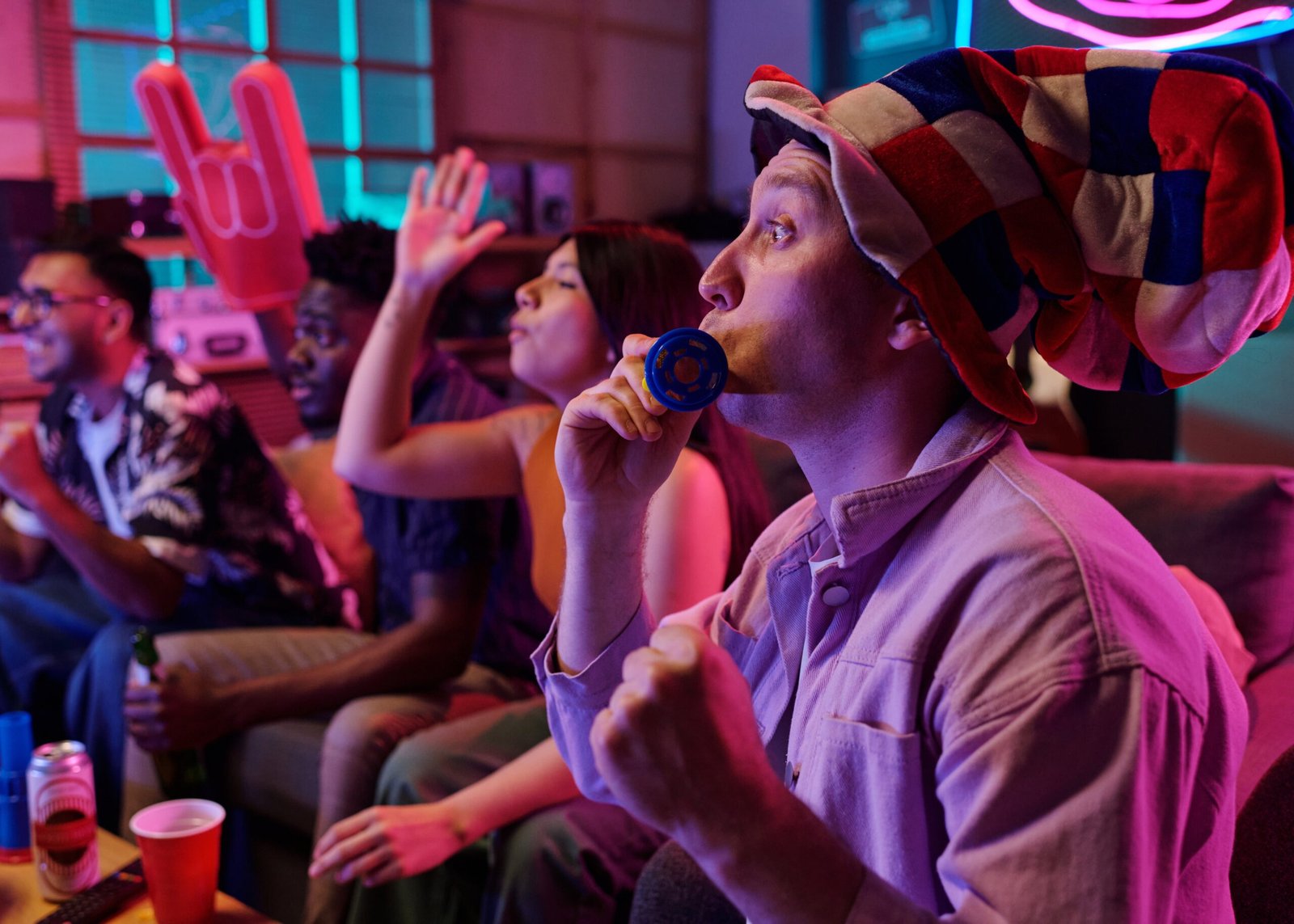
Entertainment fandom increasingly extends far beyond a film’s release weekend or a television season’s finale. Fans follow cast interviews, behind-the-scenes videos, online theories, creator commentary, fan edits, merchandise drops, and live events.
Deloitte’s 2026 research found that 55% of fans engage with a favorite show, artist, or franchise across multiple platforms. That proportion rises to approximately 70% among Gen Z and millennial fans. The study also found that 46% of fans seek out fandom-related content from creators, while the same share said they were more likely to engage with entertainment content recommended by their fan community. citeturn456495search3
This helps explain why entertainment companies are investing in experiences that continue between major releases. A successful franchise can sustain discussion through interviews, fan events, interactive content, merchandise, and related stories.
Communities also influence how entertainment is received. Online discussion can elevate overlooked performances, revive older titles, or challenge promotional narratives. Fans are not always passive recipients of a marketing campaign; they can become enthusiastic advocates, critical commentators, and independent interpreters of the work.
However, fandom is not automatically positive. Intense online engagement can produce harassment, misinformation, and pressure on artists to meet unrealistic expectations. The challenge for entertainment companies is to nurture communities without attempting to control every conversation.
Music and Celebrity Culture Move at Internet Speed
Music discovery increasingly happens through short-form video, online communities, playlists, and creator recommendations. A song can gain attention years after its original release, while an artist’s visual identity or a single performance can become a defining part of a wider cultural moment.
October’s music coverage offers a snapshot of this diversity. The Associated Press highlighted the release of Pitbull’s Pitcoin, a 24-track album featuring a broad lineup of collaborators, alongside new music from Troye Sivan. The same week’s entertainment coverage included Oasis: Don’t Look Back in Anger, a documentary about the Gallagher brothers’ 2025 reunion tour, illustrating how contemporary releases and retrospectives can occupy the same cultural conversation. citeturn456495news31
Celebrity visibility also operates across multiple industries. Film premieres, fashion events, music appearances, and social-media posts can reinforce one another, turning a public appearance into a larger entertainment story.
But rapid visibility is not the same as lasting cultural influence. Viral moments can fade quickly, and artists face pressure to maintain a constant online presence. In a culture driven by speed, meaningful creative work still requires time, experimentation, and space away from the spotlight.
AI, Authenticity, and the Future of Entertainment
Artificial intelligence is becoming part of entertainment production, from early-stage visual development and editing support to marketing materials and experimental digital performances. These tools may reduce some production barriers and give independent artists new ways to realize ambitious ideas.
At the same time, generative technology raises questions about authorship, consent, compensation, and authenticity. Audiences may struggle to distinguish genuine performances from synthetic ones, while performers and writers face concerns about how their likenesses, voices, and creative work are used.
The future of AI in entertainment will depend not only on what the technology can produce, but also on whether audiences understand how it has been used. Clear disclosure, meaningful consent, and appropriate compensation can help protect the relationship between creators and their audiences.
Human creativity is unlikely to become less important simply because digital tools become more powerful. If anything, a growing volume of automated content may make distinctive artistic vision, genuine performance, and original storytelling more valuable.
New York and the Next Cultural Conversation
New York remains an important meeting point for entertainment, fashion, music, theater, comedy, gaming, and digital creativity. Its cultural influence comes from the interaction of established institutions with independent artists, neighborhood communities, and emerging media voices.
As entertainment becomes increasingly distributed across screens and platforms, physical experiences can offer something digital content cannot fully reproduce: a shared sense of presence. Film festivals, concerts, theatrical performances, conventions, and intimate creative events bring audiences together around interests that might otherwise remain online.
For New York’s cultural economy, this creates an opportunity to connect digital discovery with in-person participation. A fan may encounter an artist through a short video, follow their work online, and eventually attend a live performance or exhibition.
The most successful cultural experiences may be those that combine both worlds without allowing one to replace the other.
The Next Era Belongs to More Than the Biggest Names
Entertainment and pop culture are entering a period in which distribution is widespread, attention is fragmented, and audiences have more ways to participate than ever before.
Streaming services will continue competing for loyalty. Creators will develop new forms of entertainment. Familiar franchises will return alongside original stories. Fans will shape conversations across platforms, while AI introduces new possibilities—and new responsibilities—for creative production.
But technology and marketing cannot guarantee cultural relevance. The entertainment that lasts is often the work that gives people something to feel, discuss, remember, or share.
In the end, pop culture is not simply what the industry releases. It is what audiences choose to make meaningful.
For NY Art Life, the defining entertainment shift of 2026 is clear: the future belongs not only to those who create the content, but also to the communities that give it a life beyond the screen.
