

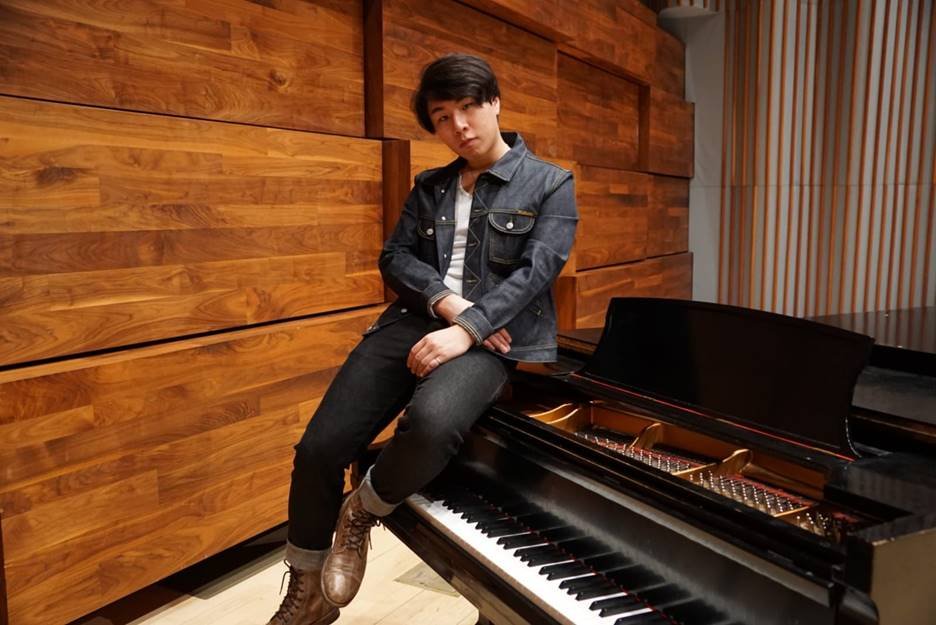
Chun Ho Tam is an avid cultural promoter in various ways: promoting music and enhancing Chinese culture through music conducting. Born in Hong Kong, Mr. Tam acquired musical education in piano, singing, and the basics of music theory in the early stages of his growth. With early determination and gifted with apt talents, his involvement appeared very prominent early. He won Second Prize at the Hong Kong Youth Music Competition 2013.
Being actively involved in various concerts and master classes with well-known artists such as Lang Lang and András Schiff, he proves himself to be flexible and devoted to the artistic high quality. Love for chamber music is driving him to appear on some prestigious concert platforms across Hong Kong and Shenzhen. After moving to Chicago, Chun Ho became involved in the active Chinese-American community and took leading roles in such organizations as the Chicago Chinese Performing Arts and Dong Fang Performing Arts.
Under his leadership, these choirs have thrived. These choirs perform a broad range of classical Western music and traditional Chinese folk songs with great audience appeal. His vision surpasses performance. He aims to establish cultural connections and unity through the universal language of music. Some of the recent accomplishments of Chun Ho include a critically acclaimed concert at the Wentz Concert Hall, which has brought him into the radar of local representatives. This move shows his influence in the community in a positive light. Chun Ho also teaches piano and conducts workshops for musicians.
His various initiatives to engage and inspire young talent show his commitment to the nurturing of the next generation of artists. In preparation for the forthcoming International Choir Festival in Spain, Chun Ho is excited to showcase the talents of Dong Fang Performing Arts on an international stage. This participation epitomizes his leadership. It also serves to provide an opportunity to raise the profile of Chinese music in an international context. With a passion for cultural expression, Chun Ho believes music is a strong medium to understand and bridge gaps between diverse communities. In this interview, we explore Chun Ho’s experiences, challenges, and aspirations and are taken inside the mind of a conductor shaping the future of choral music and cultural representation.
New York Art Life: Chun Ho, we really appreciate your great work in music! You are showing the world Chinese culture through choral performances that have been making waves. I’m curious how you weave elements of Chinese culture into your musical vision. Also, why does this matter so much to you?
Chun Ho Tam: Thank you! Putting Chinese culture into my music is the core of all that I do. It’s like breathing for me. Whatever I do, I try to bring some kind of Cantonese touch in our performances. It helps the choir connect with their own cultural roots even more, and also it’s nice when we’re using Chinese instruments in modern choir music as well. Very distinctive sound that represents us, truly.
I feel deeply responsible for promoting Cantonese music, especially when its popularity is in decline. Every performance is an opportunity to share the beauty of our culture with a broader audience. Music has this amazing ability to express culture. It can build bridges and help people from different backgrounds better understand each other. My motivation is to keep our cultural identity and share it. It affects all my artistic decisions. I would say that at the end this work is an honor of my heritage which is so close to my heart.
New York Art Life: What is the most memorable moment or performance that stands out for you as a conductor?
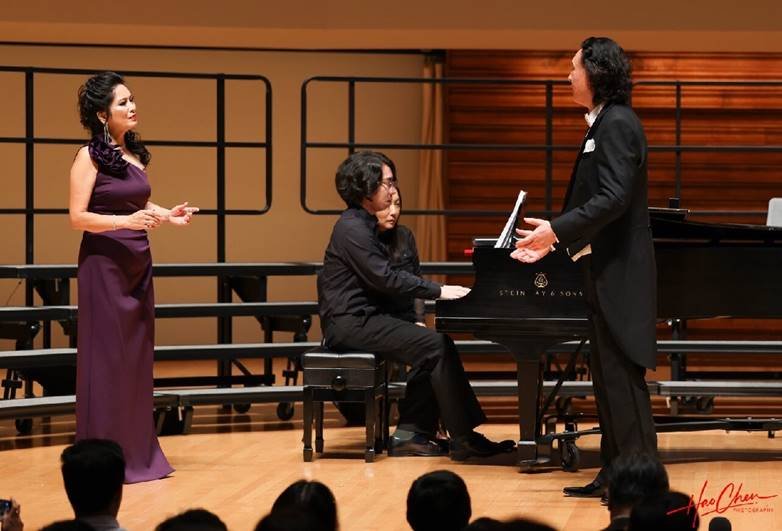
Chun Ho Tam: Oh yes! One performance which I will never forget is when I conducted “Descendants of Dragon.” It was super special because I was doing two hats that night. Both the choir conductor and the piano accompanist. The energy in the room was electric, and I feel this strong connection with the performers and the audience.
I had to be on my toes during the performance, ready at any time to switch my approach depending on the vibe of the choir. It was one of those pure artistic expression moments where, in an instance, I was flipping my emotions! I felt this rush of excitement, added to the weight of responsibility all at once. The choir responded so beautifully, and their enthusiasm was contagious.
And let me tell you, seeing the audience’s reactions only added to the thrill, turning it into a shared experience that we all felt together. That performance really cemented my belief in music’s power to unite people. It’s those kinds of moments that remind me why I’m so passionate about conducting.
New York Art Life: As the leader of Dong Fang Performing Arts, could you share some specific challenges that you’ve encountered and how you overcame them?
Chun Ho Tam: Leading Dong Fang Performing Arts has challenges on another level. Probably the biggest challenge is how to provide that balance between preserving traditional Chinese music and weaving in the modern stuff. It takes a deep understanding of both musical worlds to make it work.
Another thing I deal with is the limited repertoire of quality Chinese music for choirs, which is pretty tough. Many times, I have to take the initiative to write music myself in order to fill in those gaps. Let me tell you, it is a creative challenge that makes me think out of the box. collaboration with fellow musicians is very important, where knowledge and ideas are shared. I can effectively bridge these two musical styles by staying adaptable and open to new ideas. Ultimately, I really do feel that this synthesis enriches our performances and keeps the music sounding fresh and relevant to everyone involved.
New York Art Life: Chun Ho, under your leadership, the Chicago Chinese Performing Arts has indeed flourished and become very present in the community. How would you say your vision for Chicago Chinese Performing Arts has evolved since you became Artistic Director?
Chun Ho Tam: My vision for Chicago Chinese Performing Arts has broadened since I began as Artistic Director. Of course, in the beginning, all I was thinking about was how to keep our traditional performances going, but then it didn’t take long to see that we really needed to evolve. I want to expand our repertoire of more contemporary Cantonese music. This means not just traditional forms, but also pop music and modern compositions. My goal is to reflect the ever-changing landscape of Chinese culture in our performances.
I also think building collaborations with other cultural groups is super important. It creates a richer artistic dialogue. That’s very important. Positioning CCPA as a leading force in Chinese performing arts is a big deal. Plus, I envision our choir participating in international music festivals, showcasing our talent on a global stage. This kind of exposure can open many doors for future collaborations and new opportunities. I really believe that by embracing change, we can inspire a whole new generation of artists and keep our culture alive and thriving.
New York Art Life: Chun Ho, it looks like your choir is about building the community and joyful atmosphere amongst the members through your work in music. What do you feel for yourself and for your members was the most rewarding aspect of conducting this choir?
Chun Ho Tam: Actually, the most gratifying feeling about leading this choir is simply because of the happiness of the music and unity of the group. It is an absolutely wonderful thing when the members finally come together and start singing those nice harmonies. But more than the music, it is actually about friendship and camaraderie that may start to build along the way.
Every performance brings with it a lot of energy that adds more strength to our relationships. I love seeing the members light up with a sense of accomplishment when we nail a performance. It boosts their confidence and helps take pride in what they contribute. Amazing how music can unify such a diverse group of people. I often remind everyone that our success is a team effort. It feels great to know we’re all in this together, working towards a common goal. That shared experience makes every rehearsal and performance totally worthwhile.
New York Art Life: Of course, being acknowledged by local officials is considered a big milestone and underlines the works of the choir in the community. What was it like to get this type of recognition, and how do you believe it impacts the choir and their future?
Chun Ho Tam: Recognition from the local officials was a great honor to our choir. It feels like a great validation of hard work and dedication that every single member has put into the performances. This recognition boosts morale among our choir members to do their best and keeps pushing them forward.
This recognition, moreover, brings loads of profile within the community, which is great for attracting new members and supporters. This opens up future performances, grants, and sponsorships that are in great need of growth and sustenance of the group. I truly believe such exposure can be the stepping stone to far more significant accomplishments later on. That could be an exciting development to see what kind of collaborations come from this acknowledgment. Overall, it really just strengthens our commitment to the mission and inspires us to continue to make an impact.
New York Art Life: Can you please tell us any unexpected challenges that occurred during the concert and how you handled them in real time?
Chun Ho Tam: Of course! We have this concert in the hall, in Wentz Hall, and suddenly something happens that we never thought about. A stage direction problem. Something wrong happened by the stage director, and so the performers kind of don’t know at what time to go onto the stage. You know, that could become complete chaos, but fortunately I jumped in pretty fast.
I asked one of my choir members to step up and help guide the performers. It was super important that we made everyone feel supported in that moment. I continued communicating with the choir to help them keep calm and focused. We did finally coordinate transitions and were able to keep the performance running smoothly. The concert did go well in the end, despite that little hiccup. That really taught me the importance of being flexible and working as a team. It really put into concrete the idea that effective communication is absolutely key in overcoming any challenge.
New York Art Life: That is such a great opportunity for growth and exposure to lead this upcoming International Choir Festival. What is your objective with regards to Dong Fang Performing Arts in this festival, and how would you like to accomplish that?
Chun Ho Tam: In the end, my dream with Dong Fang Performing Arts and the International Choir Festival is actually to be able to show people that Chinese choral music could also be aesthetically valued. And therefore I want every work we are on stage to be polished and present with confidence. For sure, in putting a lot into rehearsal times for these refinements in performance.
I also plan to contact other participants, share their experiences, and give our unique perspectives. The networking at the festival is super important. It might open a lot of doors for us in the future for collaboration or further exchange. I hope we can make a strong impression by underlining our commitment to cultural preservation. I also want to include Cantonese music as an important part of our repertoire. This festival is a great opportunity to expose more people and celebrate our culture. I feel that through the sharing of our music, we can enlighten others and give birth to a greater appreciation for Chinese culture.
New York Art Life: How do you view the importance of getting the awards in music, and how does it spur you toward work?
Chun Ho Tam: Recognition in my music career means much to me. It recognizes all the hard work and dedication I put into my craft. When I get these honors, it validates my efforts and pushes me to strive for even greater excellence. Knowing that people appreciate what I do really motivates me to keep pushing my limits.
Each of these recognitions shows just how great an impact the art of music can have upon the individual and community. I take each of these as encouragement to be ever-changing and growing as an artist myself. These honors help me to take on new challenges and explore many different musical paths. Plus, they’re a testament to the collective efforts of my choir members who work just as hard. Ultimately, these accolades fuel my passion and commitment to the arts. I hope this recognition will inspire others in the music community and show them what is possible when you dedicate yourself to your art.
New York Art Life: How do you choose repertoire for chamber music performances, and what factors do you consider most important?
Chun Ho Tam: This is an important decision on my part in selecting the repertoire for chamber music. First of all, I always think about the performers. If possible, I like to choose challenging repertoire that will push our limits and grow musically.
I also consider the tastes of the ensemble, making sure everyone feels connected to the music we are playing. Of course, that needs to be balanced with what will also resonate with the audience. I love including some well-known pieces that people can really connect with. It’s all about creating a program that’s both artistically fulfilling for us and engaging for the audience. A good balance of creative and familiar will work nicely within the repertoire. Each piece offers another plunge into alternate emotions and styles. Ultimately, my goal is to connect everything in such a way as to tie it all together into one cohesive performance by all musicians involved. It is the reason so much careful curation leads to memorable experiences for performers and audience alike!
New York Art Life: What in your opinion was that something special, a certain quality or an action that led to your recognition in the arts, and what qualities would you want to see developed by future conductors following your example?
Chun Ho Tam: A few key qualities, I think, have defined my journey in the arts and those that would make their mark, especially for someone taking on the role of conductor. First, it is creativity! It gives you freedom to explore new ideas. Being creative also brings fresh perspectives into your work. Right after that is originality. It means the development of a specific voice, and with it, the ability to tell a particular story that sets you apart in the crowd. Another very important trait would be consciousness because being aware of the cultural and emotional contexts of one’s work definitely helps in bonding with the audience on more personal levels.
Leadership is also critical because leading a team of musicians in vision and the ability to inspire others to come into harmony. And of course, resilience. Arts can be cruel, and the path is full of setbacks. It is the strength of pushing through that is paramount. That allows one to learn from failures and to keep the passion burning bright.
I encourage all young conductors to try and nurture these characteristics on their path. Each of them plays an important role in laying a good foundation for an accomplished and influential career in the arts. Eventually, it will enrich not only your work but also the lives of everyone surrounding you! As New York Art Life wraps up this talk with Chun Ho Tam, not only does it reveal a brilliant journey of this maestro, but it reflects profoundly upon the mighty role music has taken in our lives. Chun Ho is committed to championing Chinese culture through art. Something which the playing of each note and the singing of each song serves as a narrative that will ultimately bridge the gorges, create understanding, and spark among all of us.
His experiences challenge us to reflect upon the importance of our cultural backgrounds and how we might share them with others. Living in a world that often feels fragmented, Chun Ho’s commitment to the integration of traditional and contemporary musical expressions calls us to reflect on how we can contribute to unity through our passions. Are we embracing our heritage while opening our hearts to the stories of others?
As he prepares to take the talents of Dong Fang Performing Arts onto an international stage, we’re reminded of music’s great power to amplify the voices of those that might otherwise remain unheard. We’re compelled to ask ourselves: how can we be in support of the people in our lives in their creative pursuits? How do we use our own gifts to build community and belonging?
Among some of the deep echoes from Chun Ho’s emphasis are resilience, creativity, and collaboration, which help us develop those traits in our own artistic expression and general living. Where there is a challenge, could we find courage to continue, innovate, and inspire? His journey acts like a beacon to all those aspiring to be artists, to not only excel in their craft but also to be harbingers of cultural representation and understanding.
And so, in reflecting on Chun Ho’s story, stop and think about the ripple you can create within your community and beyond. What will you do to ensure this rich tapestry of cultures is not only acknowledged but also uplifted?
We would like to thank you for joining New York Art Life in reading our interview with Chun Ho Tam. Let this meaningful chat with him make us realize that we all should engage our role as a storyteller and ambassador to weave the fabric of humanity by sewing the rich tapestry of stories. Every voice matters in this grand symphony called life.
Chun Ho Tam Leading Dong Fang Performing Arts’ The Word of the West Wind Performance Video
Chun Ho Tam Playing Chopin’s Nocturne in C minor, Op. 48 No. 1
Read Also:
A Unique Perspective on Documentary Filmmaking: SIHAN CUI
Shifandi Sun: Talented Chinese Designer
Zilun Lin, a Seasoned Marketing Professional, Shares the Strategies that Led to Her Success.
