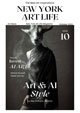


Madhura Sekar is a New York-based product designer and UX strategist renowned for her expertise in shaping premium digital experiences tailored to high growth fintech startups and high-net-worth individuals (HNIs). Over nearly five years, she has led design initiatives for wealth management platforms, investment tools, and digital banking products, mastering the delicate balance between exclusivity and accessibility that elite clients demand. Her work spans innovative mobile interfaces, A/B testing frameworks, and wearable technology integrations, where she pioneers seamless financial interactions across devices. A member of AIGA, the professional design association, Madhura influences industry standards while her published research on icon design in the Proceedings of ICoRD 2019 underscores her commitment to advancing UX theory.
As a speaker at conferences such as ICoRD, she leads global debates on anticipatory design and moral AI, establishing herself as an HNI-focused design thought leader in fintech innovation. Her portfolio showcases a career spent refining intricate financial systems into simple, human friendly experiences, making her a recognized authority in HNI-centric design.
At the forefront of AI-driven wealth management, Madhura Sekar addresses the unique challenges of catering to high-net-worth clients, prioritizing trust and personalization over automated efficiency. Her strategy closes the gap between high-tech and human with hybrid solutions that see predictive AI forecast user needs—tax optimization plans, for example—before relationship managers validate the choices to maintain trust. This ideology has transformed luxury in fintech to be about custom systems that tailor themselves to a client’s history and tastes without sacrificing usability.
Outside conventional platforms, Madhura’s wearable technology work brings finance into the fabric of daily life, crafting seamless interactions that resonate with the high-end lifestyles of HNIs. Her expertise in ethical AI, anticipatory UX, and the future of wealth tech has cemented her status as a visionary leading the next generation of financial design. She develops solutions that appeal to affluent consumers by fusing algorithmic precision with compassionate design. In other words, Madhura elevates technology rather than replacing human expertise.
Discover Madhura Sekar’s vision for changing the future of fintech and luxury design in an inside interview with New York Art Life. As a publication committed to sharing stories of innovators who challenge creative frontiers, New York Art Life encourages readers to delve into Madhura’s innovative work at the forefront of AI, wealth management, and human-focused innovation. Explore her methods of establishing trust in automated platforms, her aspirations for wearable technology’s place within finance, and her approach to crafting exclusivity for sophisticated tastes. Dive into how Madhura’s work revolutionizes how high-net-worth individuals engage with technology. Madhura’s path serves as an exemplary model of how empathy and ingenuity can recreate industries. Don’t miss the chance to learn from a leader who makes complicated problems effortless experiences, demonstrating that the future of design is in its capacity to empower and amplify human potential.
New York Art Life: Madhura, your ability to merge cutting-edge innovation with deeply empathetic design has set a new standard in fintech UX. How do you balance innovation with user-centricity when crafting UX strategies for fast-paced fintech startups?
Madhura Sekar: Fintech moves fast, but trust and usability must never be compromised. Balancing innovation with user-centricity means introducing change gradually— enhancing the user experience without disrupting core functionalities. It’s about respecting the user’s journey and ensuring that every new feature or design element feels like a natural evolution rather than a jarring shift. At India’s first company in delivering integrated financial solutions, I redesigned key app features using targeted A/B testing and growth design techniques to optimize mobile banking for business owners. It was not about prettifying the app but tapping into the frustration of entrepreneurs who use these platforms daily. My design concentrated on bringing core financial information forward—such as cash flow and transaction summaries—while making deeper analytics available yet not intrusive. It was a delicate dance between innovation and familiarity, ensuring users felt empowered rather than overwhelmed.
Leading the UX strategy for bringing financial insights to the watch from the iconic fruit-branded company was one of the most rewarding projects. Designing for wearables was a thrilling challenge because it required rethinking how users interact with economic data in real time. We created a glanceable, high-impact UI allowing founders to monitor payout activity seamlessly, even on the go. By emphasizing micro-interactions and haptic feedback, we crafted a hands-free experience that reinforced accessibility, security, and ease of use.
Seeing how it resonated with users made this project so special—how something as simple as a vibration or a quick glance could make their lives easier. It reminded me why I love what I do: design isn’t just about solving problems but creating moments of delight and connection. Whenever I hear feedback from a business owner who feels more in control of their finances because of our work, it fuels my passion to keep pushing the boundaries of what’s possible in fintech UX.
New York Art Life: Your work in fintech has been described as both visionary and practical, tackling challenges others might overlook. What’s the most unexpected challenge you’ve faced while designing for fintech, and how did your UX strategy evolve to address it?
Madhura Sekar: One of the most unexpected challenges in fintech UX has been designing for vastly different user personas—ranging from everyday consumers to high-net-worth individuals (HNWIs) and financial professionals. Each audience has unique expectations, risk tolerances, and mental models, yet the UX must remain seamless and intuitive across the board.
In the fintech space, complexity is often mistaken for sophistication. Many platforms overload users with data, if more information equates to better decision-making. But financial clarity comes from intuitive design, not just numbers on a screen. The challenge is creating an interface that conveys trust, transparency, and control while simplifying complex financial transactions.
One challenge was particularly unique—how do you build a product that is both sophisticated enough for seasoned financial advisors yet accessible to clients who aren’t finance experts? The solution was to introduce a polished, modular UI that adapts to different user workflows, ensuring both novice users and experienced professionals feel equally empowered.
One of the biggest shifts in my UX strategy has been moving towards anticipatory design—predicting user needs before they even realize them. Instead of bombarding users with excessive choices, the design subtly guides them through their financial journey, offering the right information at the right moment.
Across my work in fintech, I’ve learned that great UX isn’t just about aesthetics—it’s about bridging the gap between complexity and usability, ensuring that financial empowerment is accessible to everyone, regardless of their background or expertise.
New York Art Life: You’ve perfected the art of designing indulgent yet user-friendly experiences for high-net-worth individuals, a fine balance many works towards but few master. How do you map the meaning of ‘exclusivity’ into fundamental design components for HNIs without diluting usability?
Madhura Sekar: For high-net-worth individuals (HNWIs), exclusivity isn’t just about aesthetics—it’s about crafting an experience that feels bespoke, high-touch, and effortlessly aligned with their sophisticated lifestyles. The challenge lies in designing interfaces that whisper luxury without shouting complexity. Early in my career, I realized that HNIs don’t want to work to feel special; they expect systems to understand them intuitively. This insight became the cornerstone of my approach.
We set a concierge-level tone from the first interaction by replacing generic sign-up flows with an advisor-led onboarding process. Picture a personal art curator showing you around a gallery—every move deliberate, every aspect handpicked. That’s the impression we sought: one of being personally cared for, even in a virtual environment. But aesthetics wasn’t all it was about; it was about establishing trust. I recall one client recounting how the onboarding process reflected the secrecy of their private banker, and immediately, they felt comfortable. That instant defined for me that exclusivity lies in respect for the user’s time and uniqueness.
The magic happens when personalization feels invisible. We designed systems to anticipate needs, like surfacing tax optimization strategies during a user’s quarterly review or highlighting real estate investment opportunities based on their portfolio history. But what truly elevated the experience was balancing automation with restraint. For example, instead of overwhelming users with data, we presented only the most relevant insights upfront—like a sommelier recommending the perfect wine without explaining the entire vineyard.
Deeper analytics were always available but tucked behind elegant, gesture driven menus. This approach transformed the UX into something consultative and refined, mirroring the white-glove service HNIs expect. One of my proudest moments was hearing a user describe the platform as “effortless like it reads my mind.” To me, that’s the heart of luxury design: it doesn’t just solve problems—it delights. Whenever I see an HNI navigate the platform with the same ease as they’d command a bespoke suit, I’m reminded why this balance matters. It’s not about opulence; it’s about creating a seamless extension of their world, where technology feels like a trusted ally, not a tool.
New York Art Life: Your designs have redefined how HNIs interact with AI, transforming impersonal tools into trusted partners. How do you design AI tools that feel like a ‘trusted advisor’ rather than a cold, automated system for HNIs?
Madhura Sekar: AI in fintech should be a collaborative partner supporting informed decision-making rather than dictating actions. To achieve this, every AI-driven insight must be infused with the warmth and clarity of human expertise—like a trusted advisor who explains not just the what, but the why. Early in my work with HNIs, I noticed a pattern: even the most sophisticated clients craved simplicity when it came to technology. They didn’t want a black box spitting out recommendations; they wanted a dialogue. One client once confessed, “I need to feel like the AI gets me, not just my portfolio.” That conversation became a turning point.
We designed AI tools to deliver insights with clear context and rationale, mirroring how a seasoned financial advisor would walk a client through market trends or risk assessments. For example, if the system suggests rebalancing investments, it doesn’t just show numbers—it surfaces the reasoning behind the move, like shifting market conditions or alignment with long-term goals. This transparency transforms AI from a mysterious algorithm into a relatable collaborator, someone—or something—you’d want at the table during critical decisions.
The real magic is how the system adapts to the user. Based on learning from interactions—such as which suggestions they accept, decline, or edit—the AI modifies its advice to suit individual risk tolerance and goals. But there is nothing quite like human touch. Imagine a wealth manager reviewing an AI-generated tax strategy: our design allows them to cross-check suggestions with a single tap, bridging automation and expertise seamlessly.
I’ll never forget watching a user pause during a demo, visibly relieved, and say, “This doesn’t replace my advisor—it empowers them.” That moment underscored why collaboration is key. The balance between transparency and partnership doesn’t just build confidence in the technology; it fosters a sense of control and respect. For HNIs, trust isn’t earned through flashy features—it’s earned through consistency, clarity, and the quiet assurance that the AI is working with them, not for them. Every time I see a client lean into these tools with curiosity rather than skepticism, I’m reminded that the future of fintech isn’t just bright—it’s deeply human.
New York Art Life: Your ability to turn complex financial tools into intuitive, elegant experiences sets a new standard in fintech UX. How do you design interfaces that balance’ invisible sophistication’—keeping automation subtle yet impactful while surfacing critical insights, like your adaptive Sandbox Wealth dashboard did?
Madhura Sekar: Luxury in fintech UX is about invisible sophistication, eliminating friction while maintaining depth. It’s not about over-designing but about making complex tasks feel intuitive and straightforward. I implement this by creating predictive experiences that surface only the most relevant insights when needed, thus minimizing cognitive load. The design streamlines interactions so that each screen communicates a clear, focused message, with Al and automation operating subtly in the background.
New York Art Life: Now, the Dextra Box project you made with Danial Ahmed, Parren Chen, Jiahang Wu, and Runze Zhang for Cornell Tech Studio was aimed to turn excess e-commerce inventory into an engaging experience. What UX principles were critical to balancing these dual objectives?
Madhura Sekar: Balancing Dextra Box’s dual objectives—transforming excess inventory into delight while maintaining operational efficiency—required a focus on playful pragmatism. The key was designing an experience where users felt they were discovering hidden value, not receiving leftovers.
First, anticipatory personalization was critical. By analyzing user preferences and purchase history, we curated “surprise” boxes that felt bespoke, not random—similar to how a chef designs a tasting menu. Second, transparency-as-luxury: Even though items were in excess inventory, the interface highlighted their quality and relevance, reframing sustainability as exclusivity. Finally, frictionless discovery—streamlining unboxing journeys with tactile micro-interactions and adaptive UI—kept users engaged without overwhelming them. For instance, a drag-and-swipe feature mimicked the joy of unwrapping a physical package, turning inventory clearance into a moment of delight. The result? An amazing increase in repeat engagement proves that even logistical challenges can become emotional opportunities when UX respects both the user’s desire for novelty and the business’s need for agility.
Madhura Sekar’s journey in fintech UX is a testament to the power of design that marries empathy with precision. By envisioning a new way high-net-worth individuals engage with technology—through AI that feels like a confidant, wearable interfaces that integrate into daily life, or platforms that convert excess inventory into carefully curated joy—she shows that innovation can flourish when human narratives are paramount. Her design transcends looks, instead focusing on creating systems that respect users’ time, trust, and individuality. From predictive dashboards anticipating needs to responsible automation that enables, not replaces, Madhura’s designs redefine luxury as invisible sophistication: seamless, intuitive, and highly personal. As fintech continues to grow, her philosophy—based on collaboration, transparency, and playful pragmatism—provides a template for an industry where technology doesn’t merely serve users but unlocks their potential.
Madhura’s work invites us to ask urgent questions about the future of design: How can we ensure AI amplifies human expertise rather than overshadowing it? What defines “luxury” in a digital age—exclusivity, simplicity, or the freedom to focus on what truly matters? Can sustainability and profitability coexist in UX, as Dextra Box suggests, or must one always yield to the other? And as anticipatory design reshapes industries from healthcare to education, how might these principles redefine our relationship with technology altogether? Above all, her career challenges us to rethink not just how we build tools but why: What future are we designing for, and who does it truly serve? Much like her work, the answers will hinge on balancing ambition with empathy and remembering that the most impactful designs honor the human behind every interaction.
Madhura Sekar Web Site Madhura Sekar Instagram
Read Also:
How to Find the Best Local Arts in New York
7 Effective AI Art Tips From New York Artists You Need To Know
11 Essential Features Of How AI Transforms The Big Apple Art Scene
