


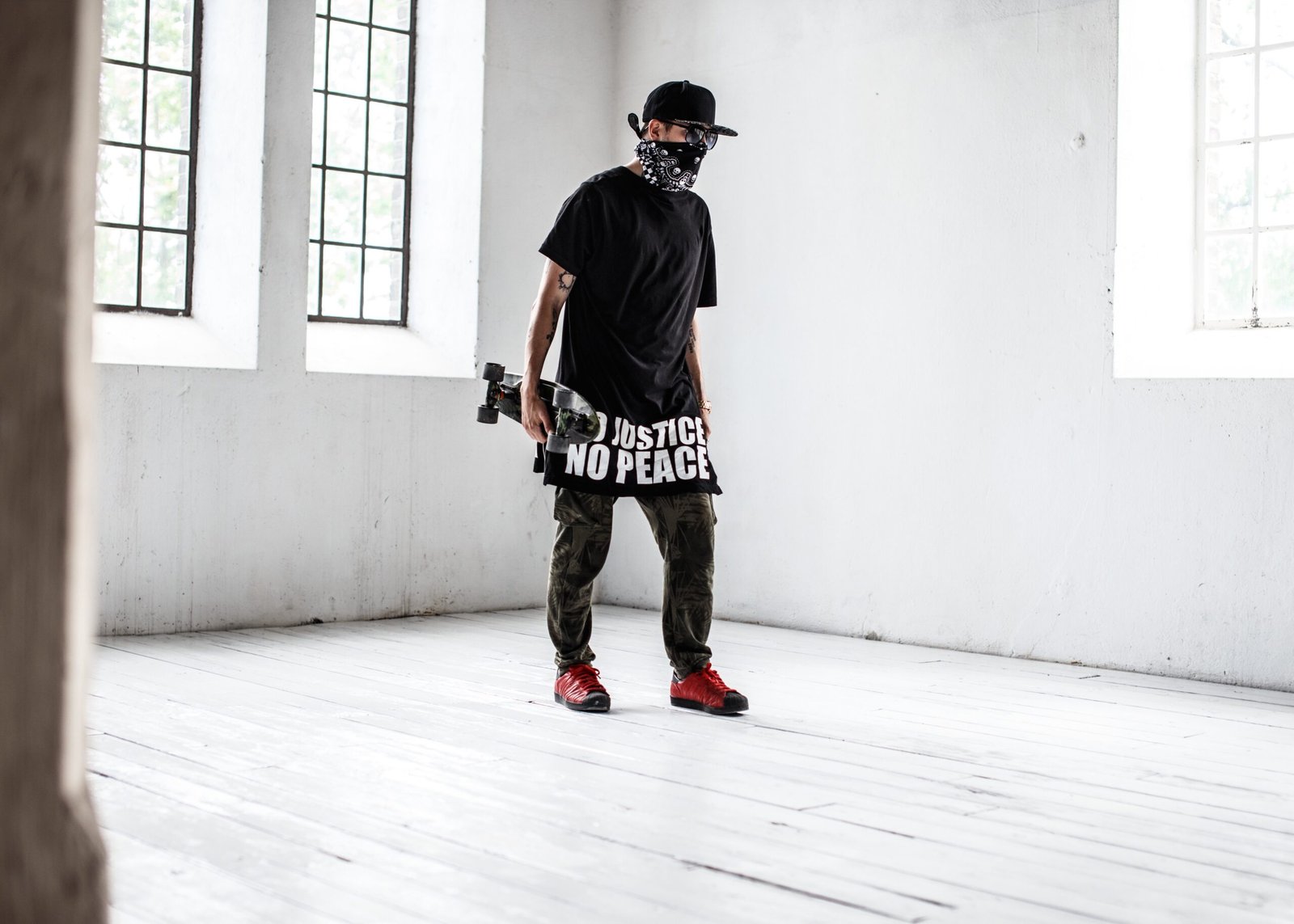
Subheadline: From Brooklyn’s independent designers to Indigenous streetwear and culture-driven collaborations, urban fashion is moving beyond oversized logos toward identity, craftsmanship, and a more personal vision of style.
By NY Art Life | October 10, 2026
Streetwear has always been more than clothing. Born from the intersections of skateboarding, hip-hop, sports, graffiti, and youth culture, it developed into a global fashion language shaped by music, neighborhood identity, and the desire to stand apart from convention.
Today, that language is evolving. Emerging designers are combining street-ready silhouettes with refined tailoring, cultural storytelling, experimental materials, and independent creative perspectives. Oversized hoodies and graphic tees remain part of the vocabulary, but contemporary urban fashion increasingly draws attention to how a garment is constructed, what it represents, and who gets to tell its story.
New York remains an essential part of this conversation. Its streets, creative communities, and independent fashion scene continue to influence the relationship between clothing and identity.
New York Streetwear Returns to Its Cultural Roots
The influence of New York streetwear extends far beyond fashion. It is connected to the city’s music scenes, basketball courts, skate parks, independent boutiques, and creative communities that have historically transformed everyday clothing into cultural symbols.
That history is receiving renewed attention as established labels and emerging designers explore what a distinctly New York identity means today.
In October 2026, streetwear label Supreme entered a non-exclusive agreement with New York City to produce merchandise featuring city-owned trademarks, including selected designs referencing municipal services and the “Made in NY” identity. The arrangement, reported by the New York Post, connects a globally recognized streetwear brand with the city imagery that helped shape its identity. citeturn634820news45
The collaboration illustrates an enduring streetwear dynamic: symbols drawn from everyday urban life can become fashion statements when reinterpreted through design and cultural context.
But the next generation is not simply reproducing familiar New York references. It is also questioning who represents the city, which communities receive visibility, and how local creative energy can reach audiences beyond traditional fashion institutions.
Brooklyn’s Emerging Designers Find a Bigger Stage
Brooklyn continues to offer an important platform for independent fashion voices. One example is the 2026 People’s Runway, presented by Brooklyn Borough President Antonio Reynoso and Colm Dillane, the designer behind KidSuper.
Held at Brooklyn Borough Hall during New York Fashion Week’s Spring/Summer 2027 season, the September event showcased five emerging Brooklyn-based designers and drew several thousand attendees, according to the borough president’s office. citeturn634820search0
The event reflects a broader shift in how emerging designers can build audiences. Rather than relying exclusively on conventional runway presentations, independent creatives are finding opportunities through public events, collaborations, community partnerships, and direct engagement with local audiences.
For streetwear, this model makes particular sense. The genre’s cultural influence has historically grown through communities and subcultures before receiving institutional recognition.
The challenge is ensuring that visibility leads to sustainable opportunity. Emerging labels need production resources, reliable distribution, appropriate pricing, and access to customers—not simply a moment in the spotlight.
Identity, Heritage, and the New Streetwear Narrative
One of the most significant developments in contemporary urban fashion is the expansion of whose stories are represented.
Indigenous New York Fashion Week, held September 11–13, 2026, highlighted designers whose work combines contemporary fashion with Indigenous identity, cultural knowledge, and sustainability. Teen Vogue spotlighted emerging designers working across streetwear, upcycled garments, handcrafted details, and culturally informed design. citeturn634820news46
These approaches challenge the assumption that streetwear must follow a single visual formula. A contemporary streetwear collection can incorporate traditional techniques, personal histories, political expression, or reclaimed materials without losing its connection to everyday dressing.
For emerging designers, cultural specificity can become a source of creative distinction. Instead of chasing a universal trend, they can build collections around experiences and references that feel authentic to their communities.
That approach also carries responsibility. Cultural motifs require context and respect, particularly when designs draw on traditions that have been misrepresented, commercialized, or excluded from mainstream fashion narratives.
The strongest work does not treat heritage as decoration. It makes the relationship between identity, technique, and contemporary design meaningful.
From Logo Culture to Individual Expression
Streetwear’s commercial success helped turn logos, limited releases, and collectible collaborations into powerful status signals. Yet the current fashion conversation also leaves room for more understated forms of expression.
Recent street-style coverage from the Spring/Summer 2027 shows in New York documented experimentation with color, layering, outerwear, and accessories. Rather than presenting a single uniform, the street-style scene reflected multiple ways of combining personal taste with seasonal fashion. citeturn634820search1
For emerging streetwear brands, that diversity creates room to explore different design directions: restrained branding, unusual proportions, carefully chosen fabrics, workwear-inspired details, and pieces that move between casual and tailored dressing.
The result is not the end of graphic streetwear. It is a broader definition of what urban style can be.
Consumers may still seek recognizable labels, but a garment’s fit, quality, versatility, and personal meaning can matter as much as the logo. For smaller designers competing against established brands, a clear design identity may be more valuable than trying to imitate a major label’s visual language.
Sustainability Meets the Street
Streetwear’s relationship with limited releases and collectible products creates both opportunities and contradictions for sustainability.
Secondhand shopping, vintage clothing, garment repair, and upcycling can give existing materials another life while offering consumers pieces with distinctive histories. These practices also align with streetwear’s long-standing interest in individuality and personal styling.
The State of Fashion 2026 report from McKinsey and The Business of Fashion projected that the global secondhand apparel market could reach $317 billion by 2027. The report also found that 59 percent of surveyed consumers said they were likely to purchase secondhand in 2026. citeturn634820search48
For urban fashion, resale is more than a sustainability message. It can provide access to rare designs, archival pieces, and affordable alternatives to newly released products.
However, sustainability claims require evidence. Brands that promote recycled fabrics or responsible production should be prepared to explain the materials they use, how their garments are manufactured, and what their environmental commitments actually mean.
Limited-edition drops can create excitement, but scarcity alone does not make a product responsible. Durability, repairability, and whether customers will continue wearing a garment over time are equally important considerations.
Social Media, Community, and the Business of Streetwear
Digital platforms have made it easier for independent designers to show collections, document their creative process, and sell directly to customers. A small label can build an audience through styling videos, behind-the-scenes content, music partnerships, and collaborations with local artists.
Yet digital visibility brings intense competition. Trends spread rapidly, silhouettes are copied quickly, and brands can become dependent on algorithms that change without warning.
A durable streetwear business therefore needs more than viral moments. Consistent product quality, clear sizing, dependable fulfillment, community engagement, and a recognizable point of view help transform online attention into repeat customers.
Physical spaces still matter, too. Pop-ups, local markets, collaborative events, and independent retail can allow shoppers to experience garments directly and meet the people behind a label.
For New York’s emerging designers, the strongest strategy may be a combination of digital reach and local credibility.
The Future of Urban Fashion
Emerging streetwear is becoming a meeting point for fashion, art, music, heritage, sustainability, and entrepreneurship. Its future will not be defined by one silhouette or a single dominant label, but by the range of communities using clothing to express who they are.
New York’s independent designers are well positioned to contribute to that evolution because the city offers an unusually rich intersection of cultures and creative disciplines. The challenge is ensuring that emerging talent can build viable businesses while retaining the originality that makes their work matter.
Streetwear’s greatest strength has always been its ability to turn everyday clothing into a statement about identity and belonging.
As urban fashion evolves, that principle remains intact. The most compelling new designs are not simply made to be seen. They give people something meaningful to say.
