


When Memory Becomes Digital
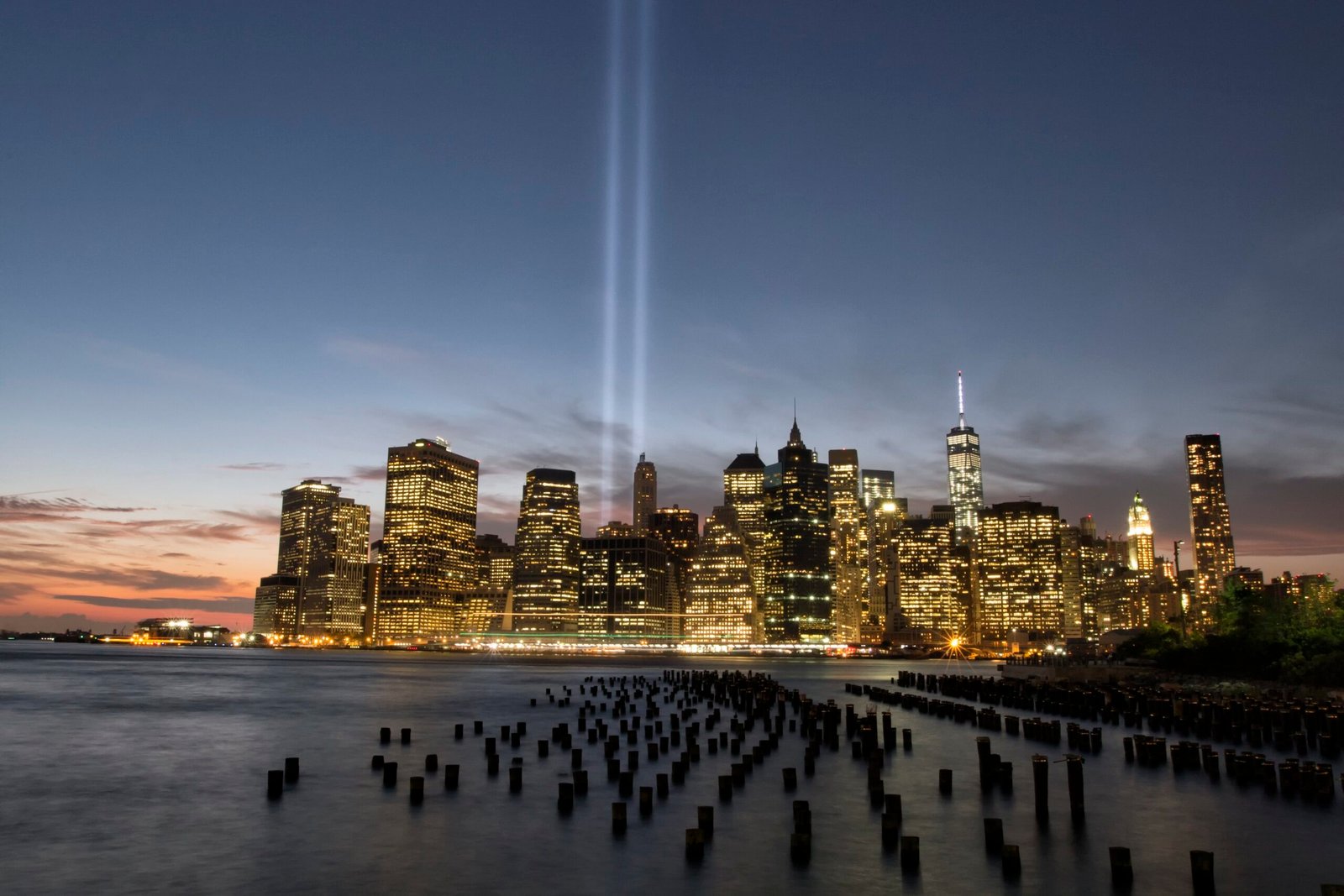
Twenty-five years after September 11, 2001, the physical landscape of Lower Manhattan remains one of New York’s most recognizable sites of remembrance. But in 2026, the memory of 9/11 is increasingly extending beyond monuments, museums and memorial ceremonies.
It is moving into digital space.
Interactive archives, digitized testimony, geolocated stories, online educational programs and newly released public records are creating new ways to encounter one of the defining events in New York’s modern history.
The shift matters because an increasing share of the population has no personal memory of September 11.
The 9/11 Memorial & Museum says roughly 100 million Americans are now too young to remember the attacks. Its 25th-anniversary programming therefore places particular emphasis on education and digital access for a generation encountering 9/11 primarily through stories, photographs, films, archives and the memories of others.
For New York, digital memory is becoming another form of cultural preservation.
A Citywide Digital Memorial
One of the most visible examples arrived on September 9, when New York City launched Memory Markers: 9/11, a digital tribute using LinkNYC kiosks to share geolocated stories connected to the city’s rescue and recovery efforts.
The project links individual stories to physical locations across the city, turning ordinary streets into points of historical remembrance. Stories include places ranging from a Midtown warehouse that became an Emergency Operations Center to Fresh Kills, where approximately 1.5 million tons of debris were processed after the attacks.
The concept is significant because it changes how a memorial can operate.
Instead of requiring visitors to travel to one destination, digital technology allows historical memory to appear within the city itself.
A street corner, building lobby, ferry route or former work site can become part of the historical map.
The city becomes the archive.
From Personal Testimony to Digital Record
The most powerful digital archives are often built from individual voices.
For the 25th anniversary, the Library of Congress made nearly 500 firsthand 9/11 responder accounts available online for the first time remotely. The collection contains 484 full-length video interviews conducted between 2010 and 2024, accompanied by transcripts. The accounts include responders, family members, advocates and medical personnel and document not only what happened on September 11 but its consequences over the years that followed.
Digitization changes the lifespan of these testimonies.
A recorded interview can be searched, studied, taught and revisited by people who were not alive—or were too young to understand the event—when the interviews were originally conducted.
The archive therefore becomes more than a storage system.
It becomes a bridge between generations.
Preserving Words Written at Ground Zero
New York’s own archival institutions are also turning physical traces of remembrance into digital resources.
The city’s Department of Records and Information Services announced an online transcription project focused on handwritten memorial messages left by family members and loved ones on 56 wooden support beams that once surrounded temporary reflecting pools near the World Trade Center site.
The project invites members of the public to help preserve these handwritten messages through transcription.
The idea reflects an important characteristic of digital memory: participation.
Traditional archives generally depend on professional archivists, historians and institutions. Digital projects can invite communities themselves to contribute to the preservation process.
A handwritten message becomes searchable text.
A photograph becomes metadata.
An oral history becomes a searchable recording.
A location becomes a digital map.
Memory becomes interconnected.
Teaching 9/11 to a Generation Born After It
The challenge of remembering 9/11 is also becoming an educational challenge.
The 9/11 Memorial & Museum’s 2026 Anniversary Digital Learning Experience combines a film featuring first-person accounts with live interaction involving Museum education staff. The program is designed for students and teachers and became available on demand beginning September 11, 2026.
This represents an important change in historical education.
Students increasingly encounter 9/11 not through their own childhood memories but through curated testimony.
The question becomes how institutions can communicate the human reality of the event without reducing it to a collection of dates, statistics and images.
First-person testimony provides one answer.
It restores individual experience to an event that is often discussed through enormous historical scale.
The Museum as a Multimedia Archive
The 9/11 Memorial & Museum has long operated through a combination of artifacts, photographs, media, narratives and architectural remains. Its online resources now extend that mission beyond the physical Museum.
The institution provides interactive experiences, educational resources and archives that allow people to engage with its collections remotely.
For the 25th anniversary, the Museum is also presenting In Their Honor: 25 Years of 9/11-Inspired Service, opening September 12, 2026. The exhibition combines firsthand accounts, artifacts and multimedia storytelling to examine how people and communities transformed grief into public service and community action.
The exhibition demonstrates how the meaning of 9/11 can be documented through what happened afterward as much as through the events of September 11 itself.
The Image Problem
Digital memory also introduces difficult questions.
The internet allows historical photographs and videos to circulate indefinitely. But the same systems can remove images from their original context, compress complex stories into short clips or transform traumatic history into content consumed without reflection.
For cultural institutions, digitization therefore involves more than scanning documents.
It requires context.
Who created an image?
Who is represented?
Why was it preserved?
What happened before and after the moment captured?
Who has the right to tell the story?
These questions become increasingly important as social platforms become one of the primary places where younger audiences encounter historical events.
A New Kind of Public Space
The Memory Markers project offers an especially interesting model because it combines physical New York with digital storytelling.
The traditional monument is fixed.
The digital marker can connect multiple locations, stories and sources.
That does not make one form inherently more meaningful than the other. Instead, the two can operate together.
The 9/11 Memorial in Lower Manhattan provides a physical place for remembrance, while digital archives allow memories to travel far beyond the site.
A person in New York can encounter a story at a LinkNYC kiosk. A student elsewhere can watch a responder’s testimony through an online archive. A researcher can read a transcript decades after an interview was recorded.
The geography of memory becomes larger.
Twenty-Five Years, and a New Generation
The 25th anniversary represents a significant generational transition.
For people who lived through September 11, memory may be personal: where they were, whom they called, what they saw, and how the city changed afterward.
For younger generations, the event is increasingly historical.
Digital memory sits between those two experiences.
It cannot reproduce personal memory for someone who was not there. But it can preserve testimony, context and evidence so that future generations can encounter the human stories behind the historical record.
That may be one of the most important cultural roles of digital archives.
New York’s Memory Is Still Being Written
Twenty-five years after September 11, New York is not simply looking backward.
It is building new systems for remembering.
Digital maps connect stories to streets. Archives make firsthand testimony accessible. Museums combine physical artifacts with multimedia interpretation. Government records are being opened and digitized. Community participation is helping preserve handwritten messages.
Together, these efforts suggest that remembrance in the 21st century will increasingly exist across physical and digital worlds.
The memorial is no longer only a place.
It can be a database, a recording, a map, a photograph, a handwritten message, a classroom or a story encountered on a screen.
And as the generation with firsthand memories gradually becomes smaller, the responsibility of preserving those memories becomes larger.
For New York, the challenge is not simply to remember September 11.
It is to ensure that the stories surrounding it remain accessible, human and historically grounded long after the anniversary itself has passed.
